
Canon EF 75-300mm f/4-5.6 III Telephoto Zoom Lens
4.7Editor score
Lightweight and compact design for travel
Affordable entry point for telephoto shooting
Smooth zooming mechanism for easy handling
Discover the top camera lens for long distance wildlife photography. We compare ten superior telephoto lenses for sharp, clear shots of birds and animals.
Capturing wildlife from a safe distance requires a powerful camera lens for long distance wildlife that balances reach, clarity, and portability. Photographers need gear that delivers sharp images even when subjects are far away in their natural habitats.
We evaluated ten top telephoto lenses based on optical performance, autofocus speed, stabilization, and handling. This guide compares options for Canon and Nikon users, covering premium, mid-range, and budget-friendly choices for every skill level.
Each pick highlights key strengths and trade-offs to help you choose the right tool for your needs. Note that availability and offers change frequently, so verify details before purchasing to ensure you get the best value for your investment.
4.7Editor score
4.7Editor score

4.2Editor score
This side-by-side comparison showcases ten distinct telephoto lenses designed for capturing distant subjects. From ultra-long reach options to versatile zooms, each entry offers unique advantages for wildlife photographers seeking clarity and reach.



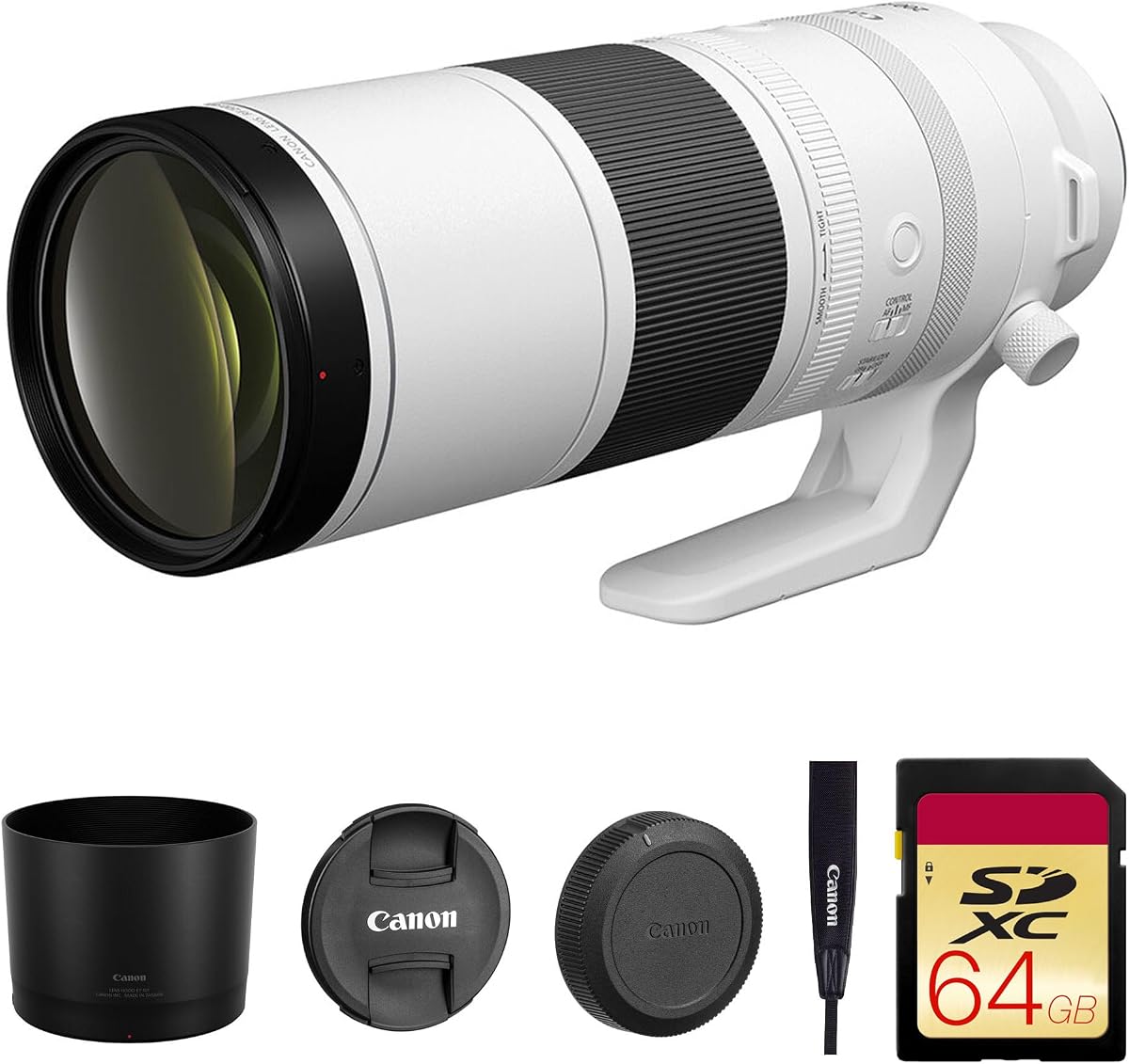
This Canon RF lens delivers exceptional reach for wildlife photography with its 200-800mm range. Rated highly by users, it combines powerful zoom capabilities with image stabilization for sharp results.
We may earn a commission when you buy through this link, at no additional cost to you.
The built-in image stabilization ensures shake-free images even at full zoom, making handheld shooting feasible. Its USM autofocus system captures fast-moving subjects like birds quickly and quietly without disturbing them.
While the aperture changes as you zoom, the lens remains compact for its reach, aiding portability. The included SDXC card offers convenient storage for high-resolution images taken in the field.
Ideal for serious birders and nature photographers, this lens provides the flexibility to frame distant subjects tightly. It stands out as a top choice for those seeking premium performance without excessive weight.
From 200mm to 800mm, the lens offers unmatched flexibility for capturing distant wildlife without moving closer.
Built-in stabilization supports handheld shooting, allowing photographers to track subjects smoothly without a tripod.
We may earn a commission when you buy through this link, at no additional cost to you.
This lens represents a breakthrough as the world's first AF super-telephoto zoom reaching 800mm. It is tailored for Canon RF mirrorless users seeking extreme reach with automatic focus capabilities.
We may earn a commission when you buy through this link, at no additional cost to you.
Its powerful zoom range allows detailed shots of distant wildlife, while compatibility with RF extenders extends functionality further. The optical design maintains high image quality throughout the zoom range.
Despite its reach, the lens is designed to be compact and lightweight, facilitating comfortable handheld shooting. This mobility is crucial for wildlife photographers who need to move quickly in the field.
Best suited for mirrorless shooters, it balances performance and portability. The ability to pair with extenders makes it a versatile long-term investment for serious nature photography.
As the first AF super-telephoto zoom with an 800mm end, it sets a new standard for mirrorless wildlife photography.
Compatible with RF 1.4x and 2x extenders, this lens offers additional flexibility to push focal length even further.
We may earn a commission when you buy through this link, at no additional cost to you.
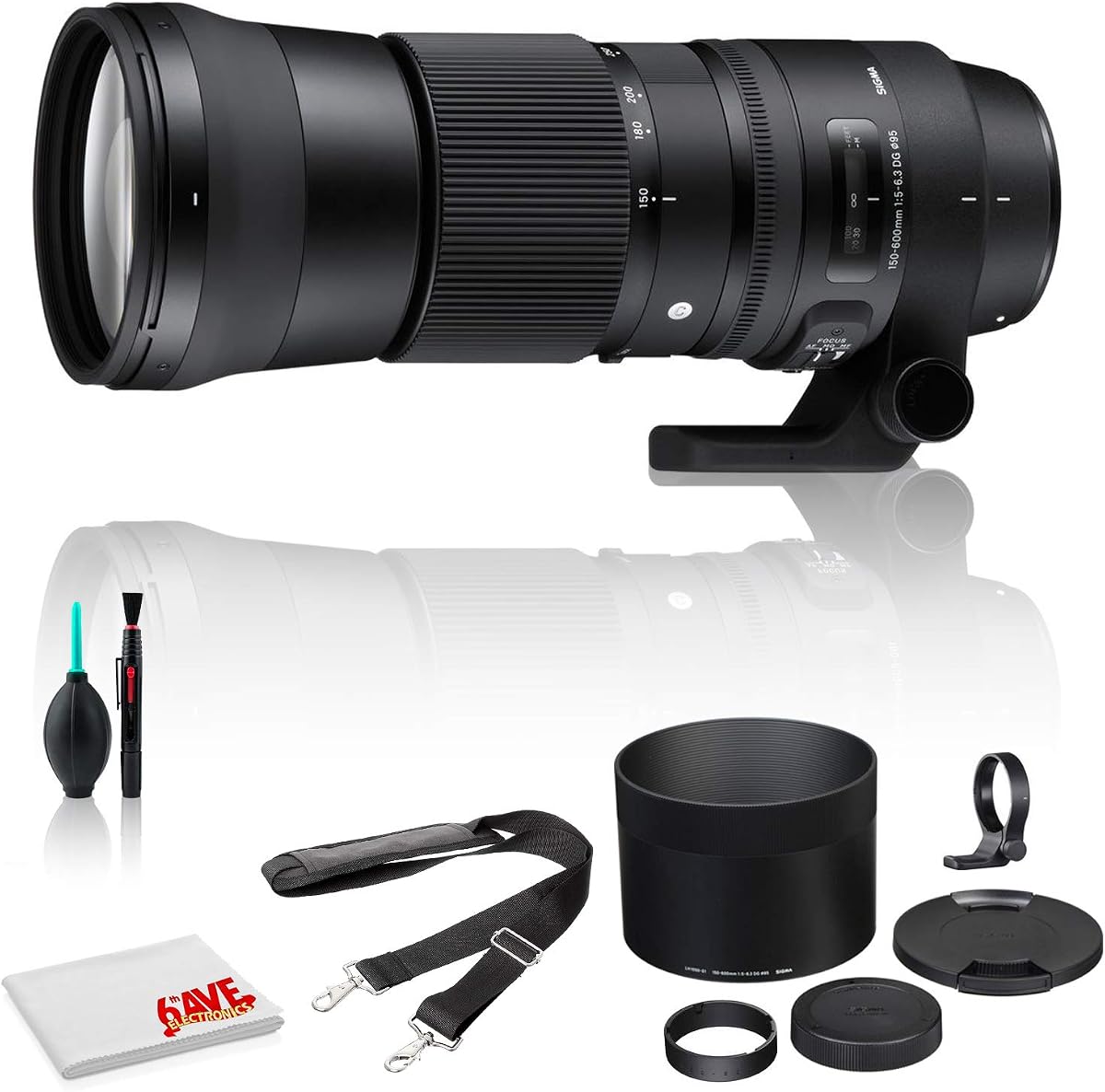
Sigma's Contemporary lens offers a robust 150-600mm range ideal for wildlife and sports. It features advanced optical elements to ensure clarity and color accuracy across the zoom spectrum.
We may earn a commission when you buy through this link, at no additional cost to you.
The Optical Stabilizer with accelerometer compensates for camera movement, aiding handheld shooting. Fast autofocus ensures you capture fleeting moments with precision and minimal lag.
While slightly bulkier, the lens delivers professional-grade performance. The included cleaning kit helps maintain lens quality over time, making it a practical choice for regular use.
This lens suits photographers needing a broad focal range in one package. Its optical quality and stabilization make it a reliable tool for capturing distant subjects.
Incorporating FLD and SLD elements, the lens minimizes aberrations for sharp, high-contrast images throughout the zoom range.
The Optical Stabilizer with accelerometer ensures steady shots even when handheld, improving success rates in challenging conditions.
We may earn a commission when you buy through this link, at no additional cost to you.
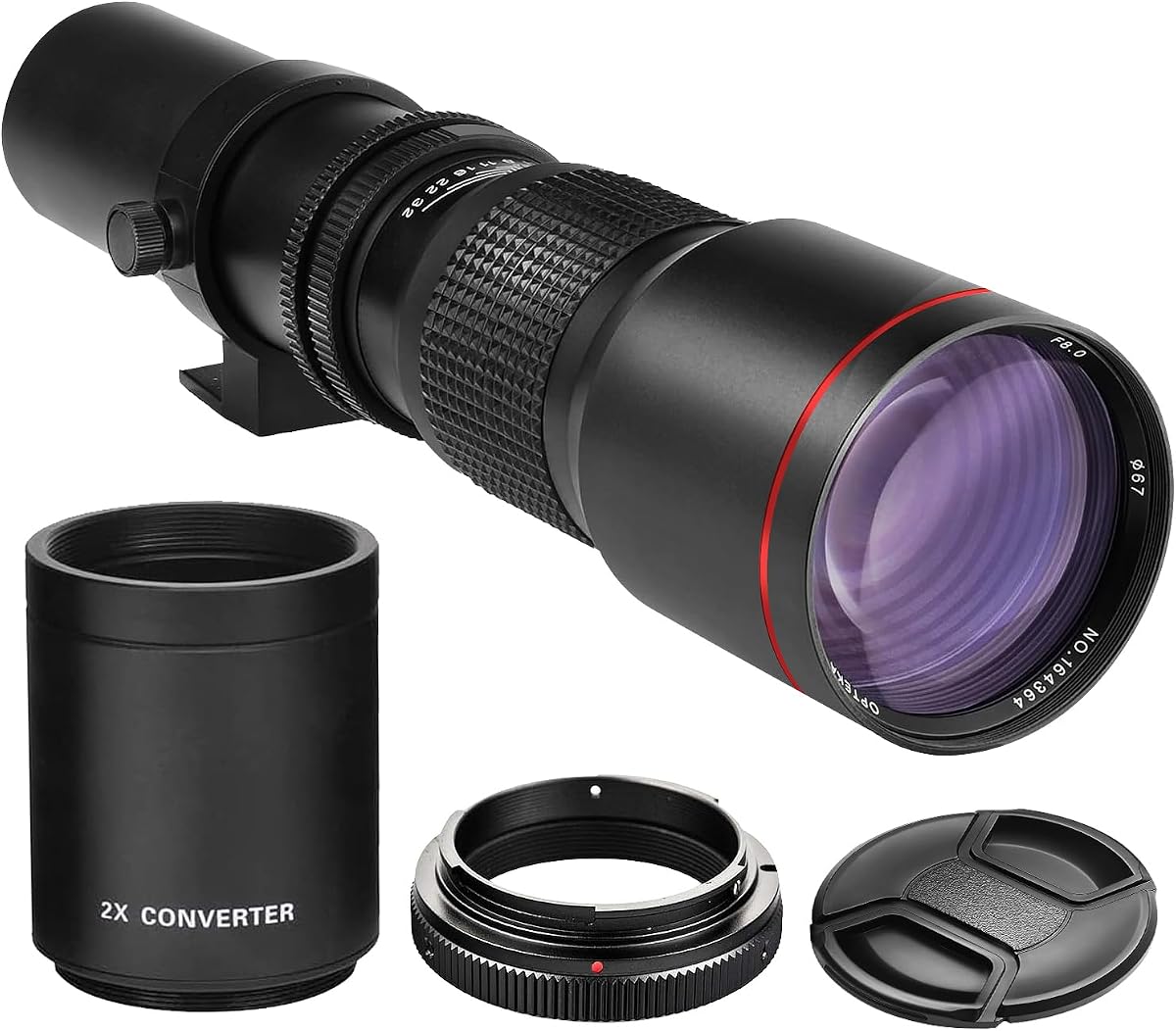
This high-power manual lens offers incredible reach for the price, allowing you to bring distant wildlife closer. It is designed for budget-conscious photographers who prioritize distance over automation.
We may earn a commission when you buy through this link, at no additional cost to you.
The included 2X Teleconverter doubles the power to 1000mm, expanding your capabilities significantly. Manual focus and aperture control provide full creative freedom over your shots.
While it lacks autofocus, the sturdy build and optical glass deliver sharp images when used carefully. It is ideal for static subjects like landscapes or perched birds.
Best for those willing to trade speed for affordability, this lens is a versatile companion for travel. Its compatibility with many Canon DSLRs makes it a flexible option.
With a 500mm/1000mm capability using the teleconverter, this lens brings extremely distant subjects into clear view.
Manual focus and aperture allow photographers to fine-tune shots for specific creative effects and lighting conditions.
We may earn a commission when you buy through this link, at no additional cost to you.
This Canon L-series lens is a staple for professional wildlife and sports photographers. Its 100-400mm range provides excellent versatility for framing subjects from environmental shots to tight portraits.
We may earn a commission when you buy through this link, at no additional cost to you.
Built-in optical image stabilization reduces camera shake, improving handheld performance. The ring-type USM autofocus delivers fast, precise, and quiet focusing, crucial for capturing action.
The lens includes a filter kit, adding value for users needing protection or special effects. Its robust construction ensures durability in challenging outdoor conditions.
Ideal for DSLR users needing reliable performance, this lens delivers consistent image quality. The compatibility with extenders extends its reach for distant wildlife scenarios.
Fluorite and Super UD elements minimize aberrations, ensuring sharp images with high color accuracy across the zoom range.
Optical Image Stabilization allows handheld shooting at slower shutter speeds, enhancing low-light performance and stability.
We may earn a commission when you buy through this link, at no additional cost to you.
This lens offers an incredible zoom range from 420mm to 1600mm, allowing photographers to bring distant subjects close. It is designed for those who need maximum reach without breaking the bank.
We may earn a commission when you buy through this link, at no additional cost to you.
The HD optical glass ensures clear, detailed images despite the extensive zoom. The included 2X Teleconverter doubles the power, making it a powerful tool for distant wildlife.
Manual focus requires patience and steady hands, but it allows precise control. The lens is heavy and sturdy, built to withstand outdoor rigors during extended use.
Best for patient photographers seeking extreme reach, it is a versatile option for landscapes and static wildlife. Its compatibility with Canon DSLRs makes it a practical choice.
From 420mm to 1600mm, this lens brings extremely distant subjects into frame, ideal for far-away wildlife.
HD optical glass ensures crisp and clear photos, highlighting subject matter beautifully despite the long focal length.
We may earn a commission when you buy through this link, at no additional cost to you.
This Canon RF lens is a compact choice for mirrorless users needing versatile zoom range. Its lightweight design makes it ideal for travel and hiking while maintaining high image quality.
We may earn a commission when you buy through this link, at no additional cost to you.
The Optical Image Stabilizer provides up to 5.5 stops of shake correction, ensuring sharp handheld shots. The Nano USM autofocus delivers smooth, quick focus for moving subjects.
With a close minimum focusing distance, it also handles semi-close subjects well. However, the aperture narrows at the long end, which may limit low-light performance.
Best for photographers prioritizing portability, this lens offers a balance of reach and handling. It is a solid investment for EOS R users seeking quality without bulk.
The compact and lightweight RF tele zoom makes it easy to carry for long hikes and travel photography.
Optical Image Stabilizer offers up to 5.5 stops of correction, improving handheld performance at longer focal lengths.
We may earn a commission when you buy through this link, at no additional cost to you.
This lens is an excellent entry-level option for Canon SLR users. Its 75-300mm range provides enough reach for basic wildlife and travel photography without a steep price tag.
We may earn a commission when you buy through this link, at no additional cost to you.
The lightweight design and smooth zoom mechanism make it easy to handle. It is compact enough for casual shooters who want to step up from a kit lens.
While it lacks image stabilization, steady hands or higher shutter speeds can compensate. The optical quality is decent for the price, though it softens slightly at 300mm.
Best for beginners or casual users, this lens offers a practical first telephoto. It is a great way to learn about focal lengths and composition on a budget.
Affordable and lightweight, this lens is perfect for beginners stepping into telephoto photography for the first time.
The improved zoom mechanism ensures smoother operation, making it easy to frame subjects quickly and effortlessly.
We may earn a commission when you buy through this link, at no additional cost to you.
Nikon's bundle offers a powerful 200-500mm lens designed for wildlife and sports. Its Vibration Reduction system helps maintain sharpness even when handheld in lower light conditions.
We may earn a commission when you buy through this link, at no additional cost to you.
The Silent Wave Motor ensures rapid and silent autofocus, crucial for capturing animals without disturbance. The bundle includes useful accessories like a filter kit and cleaning supplies.
While the lens is heavier, the tripod collar provides balanced support for stable shooting. Its compatibility with both FX and DX sensors offers versatility across Nikon DSLR models.
Ideal for Nikon users, this lens delivers professional performance in a complete package. The included accessories add value, making it a comprehensive choice for wildlife photographers.
Vibration Reduction minimizes camera shake, providing up to 4.5 stops of stabilization for sharper handheld images.
The Silent Wave Motor ensures rapid, silent autofocus, allowing for discreet shooting of wildlife and fast-action scenes.
We may earn a commission when you buy through this link, at no additional cost to you.
This renewed lens offers the same optical quality as new at a reduced price. It provides an excellent entry point into telephoto photography for those watching their budget.
We may earn a commission when you buy through this link, at no additional cost to you.
The DC Autofocus Motor delivers reliable focusing, and the lens is compatible with a wide range of Canon DSLRs. Its lightweight design makes it easy to carry on outings.
While it lacks stabilization, steady shooting techniques can help. The renewed condition ensures it is tested and cleaned, offering confidence in a used product.
Best for value-focused photographers, this lens delivers performance without the premium price. It is a smart choice for those seeking to expand their kit affordably.
Renewed condition offers a tested and cleaned lens at a lower price, ideal for budget-conscious photographers.
The DC Autofocus Motor ensures reliable focusing, and the lens maintains full compatibility with Canon SLR cameras.
We may earn a commission when you buy through this link, at no additional cost to you.
Choosing the right telephoto lens involves balancing reach, quality, and budget. This guide outlines key factors to help you find a lens that suits your wildlife photography goals.
The focal length determines how close you can get to distant subjects. For wildlife, ranges starting at 200mm and extending to 600mm or more are common. Consider the distance you typically shoot from and your target animals.
Prioritize lenses with 200mm or longer reach for effective wildlife framing.
Aperture affects light gathering and depth of field. Wider apertures allow faster shutter speeds in low light but increase lens size and cost. Most telephoto lenses have variable apertures that narrow at longer focal lengths.
Look for a balance between aperture size and weight for your shooting conditions.
Image stabilization compensates for camera shake, enabling sharper handheld shots. It is essential when shooting at long focal lengths where movement is amplified. Look for lenses with effective stabilization systems.
Ensure the lens includes built-in stabilization or compatible IBIS support.
Fast autofocus ensures you capture moving wildlife quickly. Look for lenses with motorized focus systems like USM or STM for speed and quiet operation. Manual focus lenses are cheaper but slower.
Choose lenses with reliable autofocus systems for action shots.
Larger telephoto lenses are heavier, which can fatigue your arms during long outings. Consider your physical strength and hiking needs. Lightweight options exist but may trade-off some reach.
Select a lens that you can comfortably carry for hours in the field.
Ensure the lens matches your camera system, such as Canon EF or RF, or Nikon F. Some lenses are specific to mirrorless or DSLR systems. Using adapters may affect performance.
Verify the lens mount matches your current or future camera body.
Quality glass reduces aberrations and ensures sharp images. Look for lenses with special elements like fluorite or ED glass. These enhance clarity and color accuracy in your wildlife photos.
Invest in optics that promise high resolution and color fidelity.
Budgets vary widely, from hundreds to thousands of dollars. New lenses offer warranties, while renewed options save money. Consider the long-term value and accessories included.
Choose a lens that offers the best performance for your budget constraints.
To get the best results, practice steady handheld techniques or use a tripod. Ensure your camera's autofocus settings match the moving nature of wildlife. Adjust shutter speed to freeze motion when needed.
Regularly clean the front and rear elements with a microfiber cloth and air blower. Avoid touching glass surfaces with fingers to prevent smudges. Store the lens in a dry, padded case when not in use.
Protect your investment by using a UV filter and keeping the lens cap on when not shooting. Avoid sudden temperature changes that could cause condensation inside the lens. Handle with care to maintain alignment and precision.
For wildlife, focal lengths between 200mm and 600mm are ideal. Longer lenses help capture animals from a safe distance without disturbing them. The best choice depends on your typical shooting scenarios and budget.
Yes, image stabilization is highly recommended. It helps produce sharp handheld images by compensating for camera shake. This is crucial when shooting at long focal lengths where movement is more pronounced.
Manual lenses are more affordable but require more skill and time. They offer full creative control but lack autofocus speed. For static subjects or patient photographers, they can be a cost-effective choice.
Yes, adapters allow using DSLR lenses on mirrorless bodies, though performance may vary. Some lenses work seamlessly while others lose features. Always check compatibility with your specific camera model.
Use a soft microfiber cloth and air blower to remove dust and smudges. Avoid harsh chemicals and direct contact with the glass. Regular cleaning maintains optical performance and extends the lens life.
A tripod provides stability for heavy telephoto lenses and improves image sharpness. However, many modern lenses have stabilization for handheld shooting. Use a tripod when possible for best results.
The Canon RF 200-800mm offers outstanding reach and stabilization, making it our top choice. For budget-friendly needs, the Canon EF 75-300mm is a reliable entry-level option. Nikon users should consider the AF-S NIKKOR 200-500mm for premium performance.
When choosing, prioritize focal length and stabilization to suit your wildlife subjects. Consider the weight and autofocus speed needed for your environment. Your camera system compatibility also plays a key role.
Prices and availability change, so check current offers before purchasing. Review the detailed specs and user feedback to ensure the lens meets your specific goals. Good luck capturing your best wildlife shots.