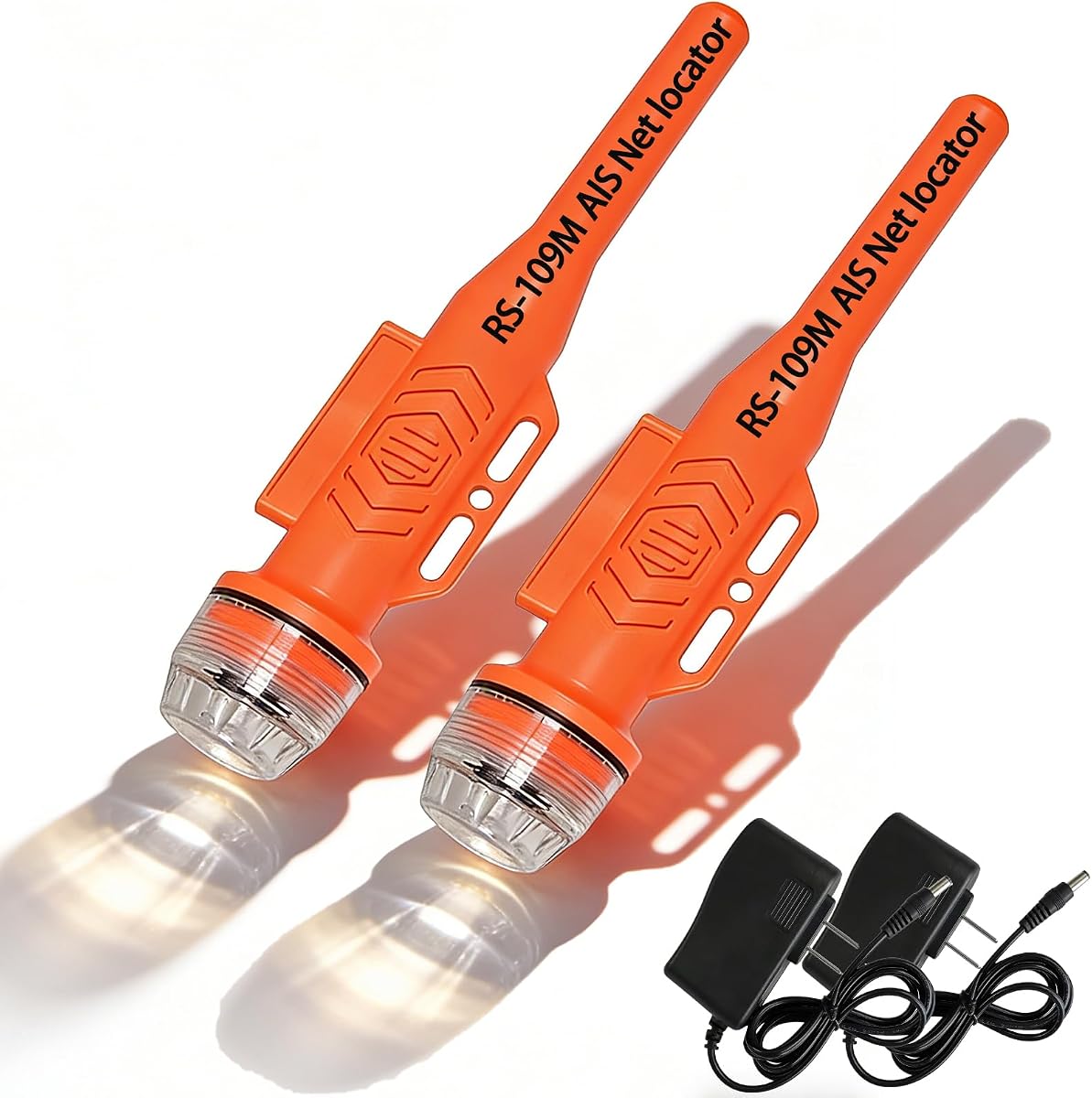
RS-109M Marine Net Locator
4.5Editor score
IPX7 waterproof design
Two week battery life
Ten nautical mile range
Automatic Identification System transponders are essential for modern marine safety and navigation. They allow vessels to broadcast their position and identity to nearby ships and coast stations. Choosing the right unit ensures better situational awareness and collision avoidance on the water.
We evaluated ten leading AIS transponder models based on their features, compatibility, and performance. Our analysis covers Class A and Class B units designed for different vessel types and regulatory needs. Each product offers unique capabilities for tracking, communication, and emergency signaling.
Every pick in this list highlights specific strengths such as display quality, integration options, and range. We include detailed specs to help you match a unit to your boat systems. Please note that product prices and availability may change without prior notice.
4.5Editor score

4.8Editor score
4.9Editor score
As an Amazon Associate we earn from qualifying purchases.
The following table provides a side by side comparison of all ten products. It highlights key specifications to help you understand how each model differs in capability and application for your marine navigation needs.




The Icom MA-510TR stands out as a top choice for boaters needing reliable AIS capabilities. It features a vibrant 4.3 inch color display that makes viewing traffic easy even in bright sunlight. The unit comes with a powerful antenna for robust signal transmission.
We may earn a commission when you buy through this link, at no additional cost to you.
A key strength of this transponder is its integrated GPS navigation. This eliminates the need for separate GPS sources and simplifies your electronics setup. The DSC calling feature works well with compatible VHF radios for fast distress alerts.
While the price is higher than basic receivers, the all-in-one design saves time and installation effort. Users appreciate the silent mode for secure operations without broadcasting location continuously. The collision alarm feature adds an extra layer of safety.
This unit is ideal for cruisers and commercial vessels needing advanced features. It suits those who want a standalone unit with full control over settings. We recommend it for anyone prioritizing display quality and integration.
The 4.3 inch color screen ensures visibility in all lighting conditions without glare.
Collision alarms and anchor watch functions keep you alert without constant manual monitoring.
We may earn a commission when you buy through this link, at no additional cost to you.
The RS-109M is a specialized tracker designed for buoys and nets. It transmits positioning data directly to your onboard receiver for instant awareness. This unit is perfect for securing fishing gear in open waters.
We may earn a commission when you buy through this link, at no additional cost to you.
Its IPX7 waterproof design ensures it survives submerged conditions without damage. The high sensitivity GPS module delivers precise location updates for reliable retrieval. Battery life extends up to two weeks reducing maintenance frequency significantly.
Users find the affordable price point excellent for covering multiple buoys at once. The 10 nautical mile range ensures clear coverage across coastal and offshore waters. It keeps gear visible to other vessels to prevent accidental entanglement.
We recommend this for anglers and commercial fishers needing gear tracking. It is not a full shipboard transponder but serves a specific niche well. Prioritize it if buoy security is your main concern.
Fully sealed housing meets strict waterproof standards for deep water resilience.
High capacity lithium battery supports continuous signal transmission for weeks.
We may earn a commission when you buy through this link, at no additional cost to you.
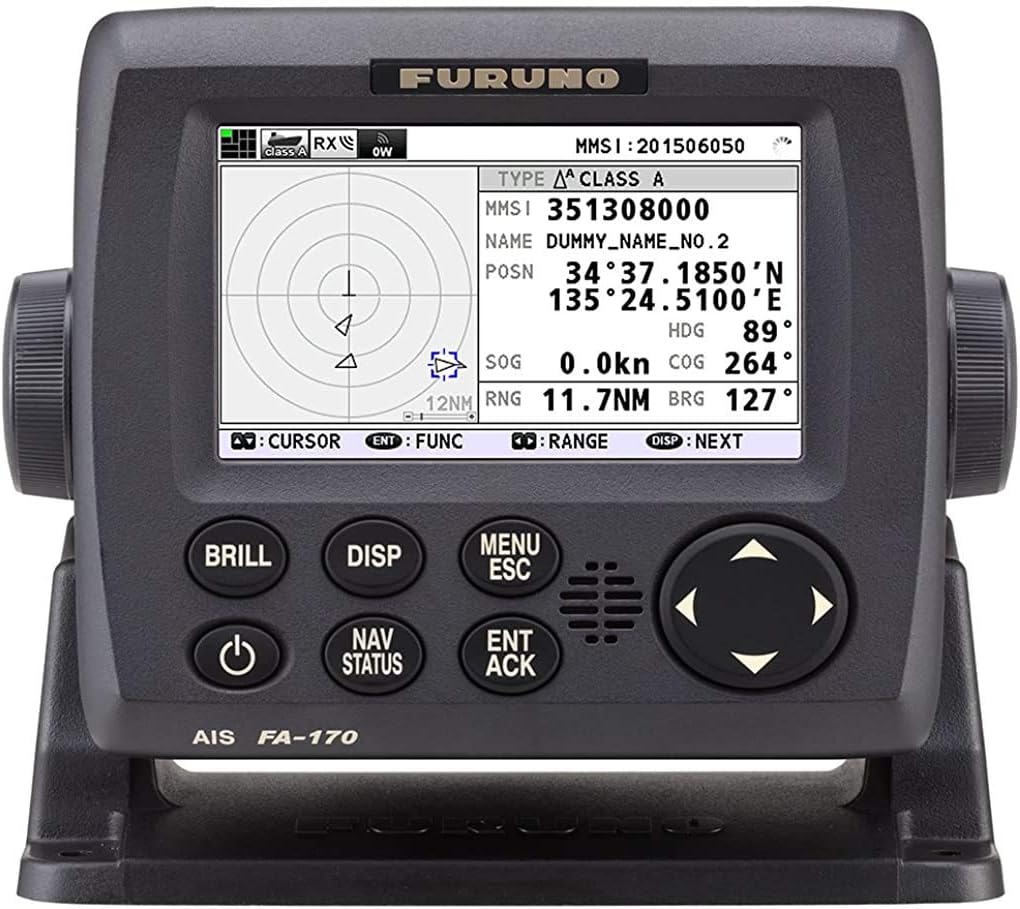
The Furuno FA170 Class A Transponder represents the peak of marine navigation. It stores up to 2048 AIS targets ensuring comprehensive data availability. This unit is designed for large vessels requiring rigorous compliance and performance.
We may earn a commission when you buy through this link, at no additional cost to you.
Key strengths include six input output ports allowing extensive system integration. The dangerous target list provides automatic alerts when hazards are detected nearby. You can send messages or name requests to target ships for communication.
While the cost is significant the robust features justify the investment for professionals. It requires technical knowledge for setup but offers superior functionality. The LAN port enables modern networked display systems.
This is ideal for commercial shipping and high end recreational boats. Choose it if you need Class A regulatory compliance and maximum data capacity. Trust it for mission critical navigation on the water.
Automatic dangerous target detection alerts you to potential collision risks instantly.
Multiple ports and LAN support allow integration with complex boat networks.
We may earn a commission when you buy through this link, at no additional cost to you.
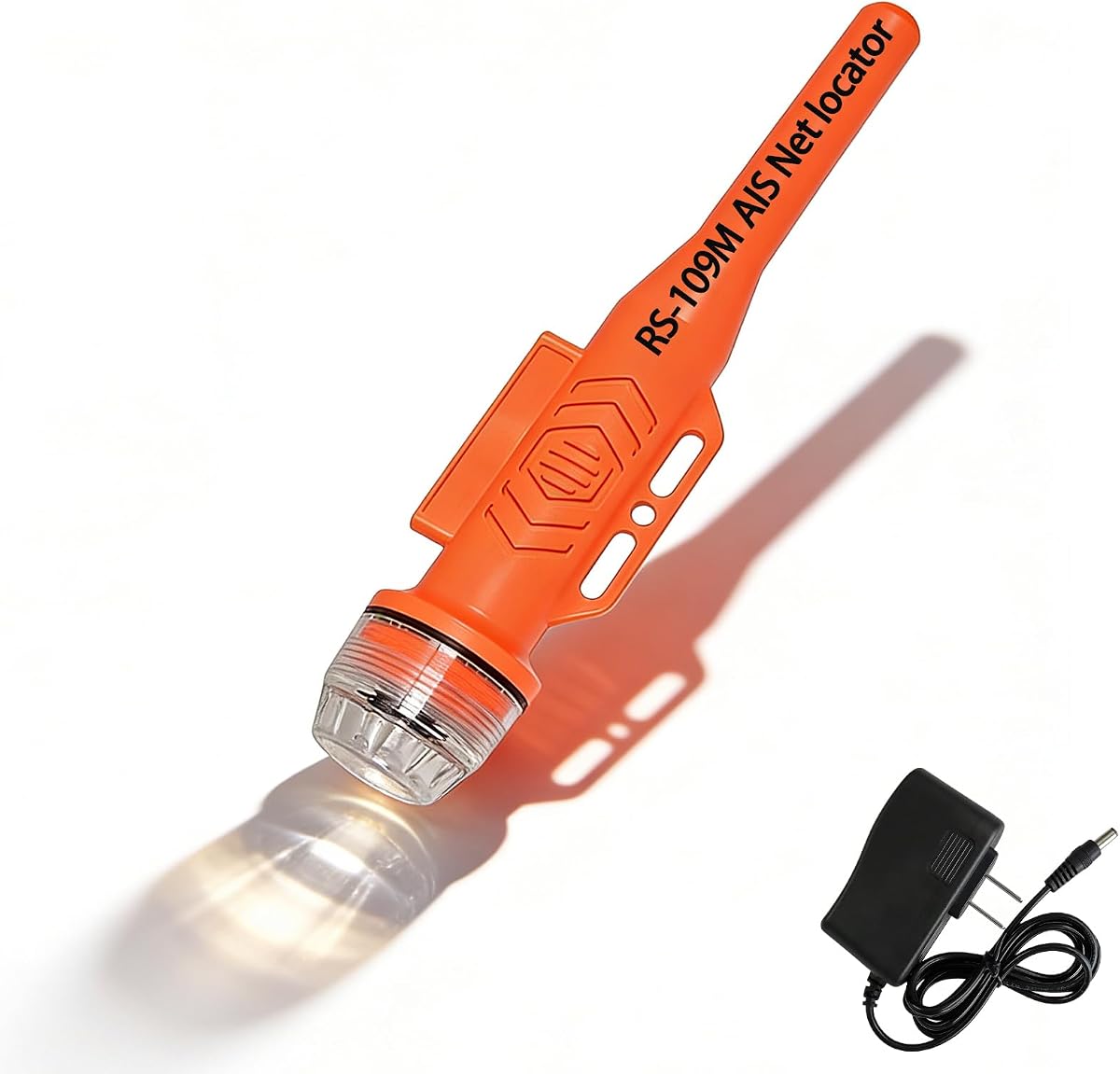
This single unit version of the RS-109M offers similar features to the dual pack. It transmits buoy status and battery levels to your onboard receiver. The design ensures it remains functional even when fully submerged.
We may earn a commission when you buy through this link, at no additional cost to you.
The high sensitivity GPS module provides quick location updates for fast retrieval. Its 10 nautical mile range ensures clear visibility for other vessels. This is useful for tracking markers or safety buoys.
Users appreciate the simplicity and the extended battery life reducing maintenance. The waterproof design ensures it withstands harsh marine environments well. It is cost effective for covering individual items.
Buy this if you need a standalone tracker for gear or buoys. It is not a replacement for ship transponders but works well for asset tracking. Prioritize it for secure positioning of floating equipment.
No complex wiring needed just attach and power up for immediate use.
Accurate GPS positioning ensures you find your gear when you need it most.
We may earn a commission when you buy through this link, at no additional cost to you.
The Raymarine T70424 Bundle offers a complete communication solution for boaters. It includes a Ray90 VHF fixed mount unit and AIS capabilities. The bundle ensures all components work together seamlessly.
We may earn a commission when you buy through this link, at no additional cost to you.
Key strengths include full transmit and receive AIS for enhanced situational awareness. The fixed mount design provides stable performance on the dashboard. It integrates well with other Raymarine displays and systems.
The price reflects the comprehensive nature of the kit. Users appreciate the reliability and the clear audio quality. It simplifies installation by providing everything needed in one box.
This is ideal for owners of existing Raymarine navigation displays. It suits those who prefer a unified ecosystem for all electronics. Trust it for consistent performance and support.
Seamless integration with MFDs provides a unified display of traffic and comms.
Dedicated mount ensures the radio remains secure even in rough conditions.
We may earn a commission when you buy through this link, at no additional cost to you.
The ACR RESQLINK AIS is a personal safety beacon for crew members. It sends a distress alert on VHF frequencies to nearby vessels. The Return Link Service confirms when rescuers have received the signal.
We may earn a commission when you buy through this link, at no additional cost to you.
Key strengths include NFC technology for easy access to beacon data via mobile. It integrates with common inflatable PFDs for easy attachment. The strobe lights provide visual location aids at night.
Users value the global coverage and no subscription requirement. The 24 hour operational life ensures reliability during emergencies. It is lightweight and fits easily into gear.
This is ideal for offshore sailors and offshore workers. It is a supplement not a replacement for ship systems. Prioritize it to ensure personal safety in emergencies.
Confirms that rescue teams have received your distress signal instantly.
Check battery life and test status easily using your smartphone.
We may earn a commission when you buy through this link, at no additional cost to you.
The Icom M94D handheld includes an integrated AIS receiver for traffic awareness. It shows nearby vessel traffic on screen for better safety. The built-in DSC safety features make distress alerts fast.
We may earn a commission when you buy through this link, at no additional cost to you.
Key strengths include 6W RF transmit power for extended range. The loud 1500 mW speaker ensures calls stay intelligible in noisy engine rooms. Battery life provides up to 10 hours of typical use.
Users like the Float and Flash function which activates if dropped overboard. It simplifies navigation with stored waypoints for quick access. The design is rugged enough for daily marine use.
This is ideal for skippers needing a portable backup. It suits those wanting traffic view without a full onboard system. Prioritize it for enhanced safety on small craft.
View traffic traffic traffic on screen without needing a fixed unit.
Powerful speaker ensures clear communication even in loud engine noise.
We may earn a commission when you buy through this link, at no additional cost to you.
The Icom M510 EVO offers a modern digital approach to marine communication. It features AIS and NMEA 2000 integration for seamless data sharing. The design focuses on reliability and ease of operation.
We may earn a commission when you buy through this link, at no additional cost to you.
Key strengths include digital selective calling for precise contact. It simplifies installation with existing boat systems. Users appreciate the intuitive interface for quick adjustments.
The unit is compact yet durable enough for harsh conditions. It supports advanced functions like automatic distress alerts. The audio quality is clear in all environments.
This is ideal for tech savvy boat owners. It suits those wanting digital integration with existing networks. Trust it for robust communication capabilities.
Connects directly to your NMEA 2000 network for instant data access.
Intuitive layout allows for quick adjustments even in stressful situations.
We may earn a commission when you buy through this link, at no additional cost to you.
The EM-TRAK B921 is a compact transceiver designed for smaller vessels. It operates on 12 or 24 volt power to fit most boats. The unit focuses on basic visibility and safety.
We may earn a commission when you buy through this link, at no additional cost to you.
Key strengths include a small footprint for tight mounting spaces. It consumes low power and integrates well with simple systems. Users find it reliable for basic traffic viewing.
The design is utilitarian without extra screens or buttons. It requires a display unit elsewhere to view data. This keeps costs low for essential coverage.
This is ideal for sailboats or small powerboats. It suits those needing a simple Class B unit. Prioritize it for essential safety without complex features.
Small form factor allows mounting in tight electronics cabinets.
Low power consumption ensures battery systems are not drained quickly.
We may earn a commission when you buy through this link, at no additional cost to you.
The FLIR RAYMARINE E70476 is a Class B transceiver for Raymarine users. It features built-in antenna splitter to simplify installation with existing VHF radios. The latest SOTDMA networking ensures longer range and performance.
We may earn a commission when you buy through this link, at no additional cost to you.
Key strengths include compatibility with SeaTalkng and NMEA2000 networks. It enhances situational awareness by displaying traffic on compatible displays. The setup requires minimal cabling for clean systems.
Users appreciate the integration with existing navigation systems. It is reliable for standard maritime tracking. The performance is good for coastal and offshore use.
This is ideal for Raymarine ecosystem owners. It suits those wanting an upgrade from older units. Trust it for seamless system expansion.
Allows VHF and AIS to share a single antenna without extra splitters.
SOTDMA technology ensures faster updates and better range for your traffic.
We may earn a commission when you buy through this link, at no additional cost to you.
Choosing an AIS transponder requires considering several key factors to ensure compatibility and safety. Understanding these elements helps you select the right unit for your vessel type and needs.
Class A transponders offer higher power and frequency for large commercial vessels. Class B units are suitable for recreational boats with lower range and power.
Choose Class A if you operate a large ship. Otherwise Class B is sufficient for most leisure craft.
Some units come with built-in displays while others require a separate chartplotter. Built-in units simplify setup but add cost to the purchase.
Check if your boat already has a multifunction display before buying standalone units.
Transponders typically run on 12 or 24 volt systems. Ensure your electrical system matches the unit requirements for safe operation.
Verify your boat voltage and fuse rating before installation.
Look for NMEA 2000 or NMEA 0183 ports to connect with other electronics. These ports allow data sharing with GPS and navigation systems.
Match the port type to your existing boat network for seamless integration.
Range depends on antenna height and power. Units with integrated antennas may offer less range than those with external connections.
Consider installing a dedicated antenna for better signal coverage.
Some units are plug-and-play while others require wiring and configuration. Complex installations may need professional help to ensure compliance.
Review the installation manual to decide if you can do it yourself.
Personal beacons and transponders with DSC calling offer extra safety layers. These features allow immediate alerts in distress situations.
Ensure your unit supports DSC for effective distress calling.
Prices vary widely between basic receivers and advanced transponders. Higher cost often brings better integration and features.
Set a budget and prioritize features that match your safety needs.
Ensure the unit is powered on at all times when operating on the water. This keeps your position visible to other vessels and coast guard stations.
Regularly update your MMSI and ship details to maintain accurate broadcasting. Incorrect details may lead to confusion during emergency situations.
Clean the antenna connections to prevent corrosion from salt spray. This maintains signal integrity and prevents data errors.
Regulations vary by vessel size and location. Large commercial vessels must carry Class A units. Recreational boats may not be required but benefit from improved safety.
Yes if you connect the transponder to a wireless network or tablet. Some units support Bluetooth or Wi-Fi for mobile access.
Class A units transmit every few seconds while moving. Class B units have slower rates but still provide frequent updates.
AIS broadcasts are public and visible to anyone with a receiver. This transparency is designed for maritime safety and awareness.
Some units include integrated GPS but others require an external source. Check the specs to see if your unit includes GPS.
Digital Selective Calling allows fast distress alerts to specific ships. It is an essential safety feature included in many transceivers.
Yes AIS works in inland and coastal waters alike. The network is global but coverage varies by region.
We covered ten top options ranging from budget trackers to premium Class A units. Each pick offers unique features for different boating scenarios.
Prioritize integration with existing systems and the features that matter most for safety. Budget models work for simple needs while premium units offer full control.
Remember to verify current availability and installation requirements before purchasing. Your safety depends on reliable and properly set up equipment.