
Canon EF 50mm f/1.8 STM Lens
4.8Editor score
Affordable price point
Bright f/1.8 aperture
Silent stepping motor
This guide compares the top camera lens for product photography options to help you choose the best lens for sharp images and professional results.
Finding the right camera lens for product photography is crucial for creating sharp, detailed images that sell. A good lens ensures your products look their best with accurate colors and minimal distortion.
We evaluated ten top-rated lenses based on image quality, aperture, autofocus speed, and compatibility. Each option offers unique strengths for different photography styles and budgets.
Each pick highlights key features and ideal use cases. Remember that prices change frequently, so check current listings before making your final purchase decision today.
4.8Editor score

4.8Editor score
4.7Editor score
This side-by-side comparison highlights the key specifications and capabilities of each lens to help you decide which fits your specific photography needs and camera system.


This RF lens is our top pick for its versatility and performance. It delivers sharp images across the zoom range with a bright f/2.8 aperture ideal for low light.
We may earn a commission when you buy through this link, at no additional cost to you.
The optical image stabilization provides up to five stops of correction, allowing for handheld shooting without blur. The Nano USM autofocus is smooth and quiet, perfect for video content as well.
While it is heavier and pricier than fixed lenses, the flexibility of the zoom range makes it a practical choice for diverse product photography needs without swapping lenses.
If you own a Canon EOS R series mirrorless camera and need a reliable workhorse lens, this is the best choice for professional results in various lighting conditions.
The lens uses high-quality glass elements to minimize aberrations and ensure crisp details across the entire frame for sharp product shots.
The 24-70mm range covers wide angles for context and tighter shots for details, making it one lens for many photography scenarios.
We may earn a commission when you buy through this link, at no additional cost to you.
This 50mm lens offers incredible value with sharp optics and a bright aperture. It is perfect for photographers on a budget who need professional-looking results for products.
We may earn a commission when you buy through this link, at no additional cost to you.
The f/1.8 aperture allows for great low-light performance and pleasing background blur. The STM motor ensures near-silent autofocus for both stills and video recording.
The plastic build is lightweight but less durable than metal. Without stabilization, you will need a tripod or steady hands for sharp shots in lower light.
For entry-level photographers or those needing a prime lens for portraits and close-up product work, this is the best budget-friendly option available today.
You get professional image quality and a fast aperture without spending a fortune, making it accessible for new photographers and hobbyists.
The 50mm focal length on full frame provides a natural perspective similar to the human eye, ideal for product portraits.
We may earn a commission when you buy through this link, at no additional cost to you.
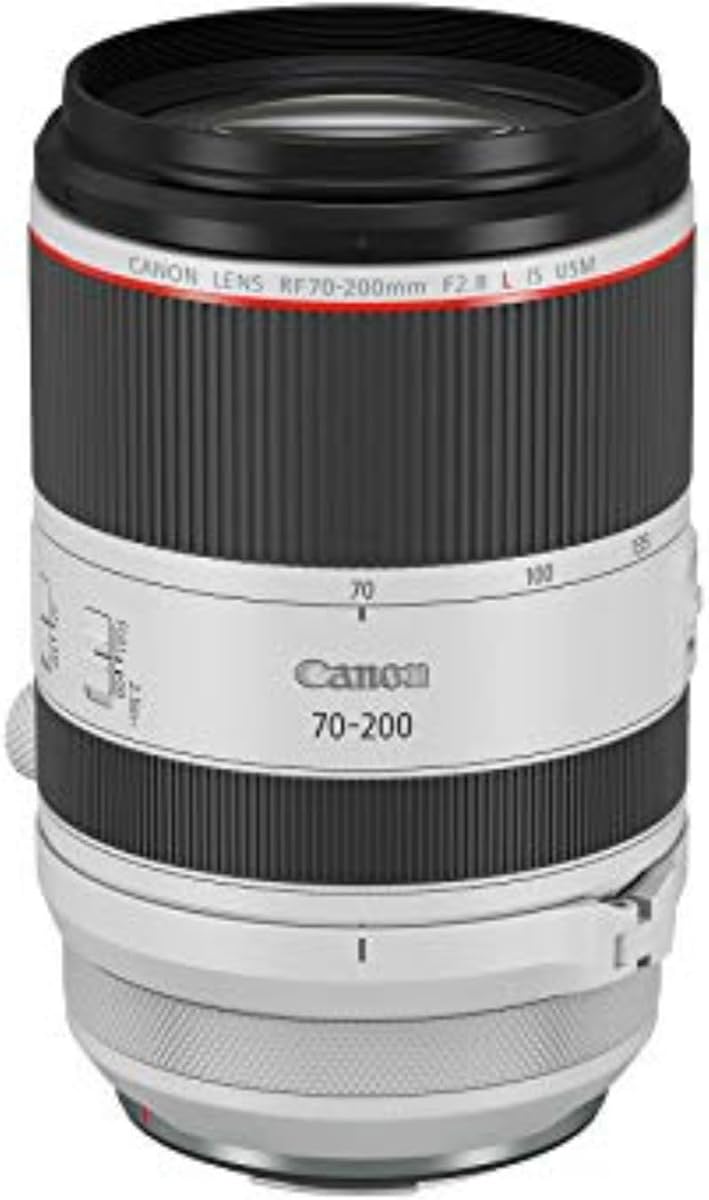
This telephoto zoom lens delivers professional results in a compact package. It is designed for high-end product photography where sharpness and speed are critical.
We may earn a commission when you buy through this link, at no additional cost to you.
The dual Nano USM motors provide fast and quiet autofocus. The optical image stabilization helps capture sharp images even at slower shutter speeds without a tripod.
The price is high, but the performance justifies the cost for professionals. It lacks some weather sealing compared to other L lenses, which is a minor trade-off.
If you need a premium lens for tight spaces or distant subjects with exceptional sharpness, this is the top choice for Canon mirrorless users.
The lens is shorter and lighter than similar EF versions, making it easier to handle during long product shoots or events.
Optical design ensures consistent sharpness across the frame and zoom range, critical for detailed product imagery.
We may earn a commission when you buy through this link, at no additional cost to you.
This lens offers a long focal length at an entry-level price. It is a good choice for those needing telephoto reach without spending much money.
We may earn a commission when you buy through this link, at no additional cost to you.
The DC motor provides basic autofocus functionality. The variable aperture means it gets slower at longer zooms, requiring more light for sharp shots.
It is a renewed product, so condition may vary. The image quality is decent but not as sharp as more expensive options.
For hobbyists needing a telephoto option on a strict budget, this lens serves as a decent entry point into longer focal lengths.
Get significant zoom range for close-ups or distant subjects without a heavy financial investment.
We may earn a commission when you buy through this link, at no additional cost to you.
This manual focus lens offers a different experience for photographers seeking creative control. It features an 85mm focal length with a bright aperture.
We may earn a commission when you buy through this link, at no additional cost to you.
The manual focus design requires skill to use effectively. It can produce beautiful bokeh and sharp images when focus is precise.
Without autofocus, it is not ideal for fast action. You must switch to manual mode on your camera to use it properly.
For artists who enjoy manual focus and want a versatile portrait lens at a low cost, this is an interesting option.
Manual focus allows for precise control over the focus point, useful for specific artistic compositions.
We may earn a commission when you buy through this link, at no additional cost to you.
This RF mount lens provides a lightweight and affordable option for mirrorless users. It is designed for portraits and general photography.
We may earn a commission when you buy through this link, at no additional cost to you.
The control ring allows for quick setting adjustments without touching the camera body. Autofocus is smooth and silent thanks to the STM motor.
It lacks weather sealing and uses plastic materials. However, it delivers solid optical performance for its price point.
For EOS R system users seeking a budget-friendly prime lens, this is an excellent starting point for product photography.
The small size makes it easy to carry and quick to deploy for spontaneous product shots.
We may earn a commission when you buy through this link, at no additional cost to you.
Sigma's Art series is known for outstanding sharpness and build quality. This 135mm lens provides a long focal length for detailed product shots.
We may earn a commission when you buy through this link, at no additional cost to you.
The large f/1.8 aperture creates beautiful background blur. The lens is weather sealed for use in various conditions.
It is relatively heavy and expensive. The motor is fast but can be noisier than newer USM motors.
For photographers prioritizing image quality and willing to invest in premium optics, this lens delivers exceptional results.
Handcrafted in Japan and individually tested to ensure superior optical performance.
We may earn a commission when you buy through this link, at no additional cost to you.
This smartphone lens kit offers an affordable way to enhance mobile photography. It includes macro and wide-angle lenses plus a light.
We may earn a commission when you buy through this link, at no additional cost to you.
The clip system allows quick attachment to phones. It is great for social media content or quick product shots without a dedicated camera.
Optical quality is not comparable to professional lenses. The clip may not fit all phones securely.
For mobile content creators needing basic lens options, this kit provides a convenient and budget-friendly solution.
Attach directly to smartphones for improved macro and wide-angle shots without carrying extra gear.
We may earn a commission when you buy through this link, at no additional cost to you.
This camera kit includes both the body and two lenses to get started. It is a comprehensive package for beginners entering photography.
We may earn a commission when you buy through this link, at no additional cost to you.
The included lenses offer versatile focal lengths for various shooting scenarios. Wi-Fi allows easy sharing of images to your phone.
It is an older model with basic features. Autofocus is limited compared to newer cameras.
For those starting from scratch without equipment, this kit provides a convenient and economical way to begin product photography.
Everything needed to start shooting product photos is in one box.
We may earn a commission when you buy through this link, at no additional cost to you.
This telephoto prime lens offers a constant aperture and sharp optics. It is ideal for subjects that need isolation and detail.
We may earn a commission when you buy through this link, at no additional cost to you.
The build quality is durable with weather-resistant sealing. Autofocus is quick and reliable for DSLR users.
The lack of zoom limits flexibility. It can be heavy for handheld use over long periods.
For photographers needing a high-quality telephoto option for portraits or detailed product work, this lens is a strong choice.
The 200mm focal length compresses perspective for a unique look in product photography.
We may earn a commission when you buy through this link, at no additional cost to you.
Choosing the right lens depends on your camera type, budget, and product types. Consider these factors to find the best match for your needs.
Ensure the lens matches your camera's mount system such as EF, RF, or others. Incompatible mounts will not attach or function correctly.
Check your camera model compatibility before purchasing to avoid return issues.
Focal length affects perspective and framing. Wide lenses capture more context while telephoto lenses isolate subjects.
Select a focal length that suits your typical product size and shooting environment.
A wider aperture allows more light and shallow depth of field. This helps in low light and creates pleasing background blur.
Look for lower f-numbers like f/1.8 or f/2.8 for better light performance.
Optical image stabilization reduces camera shake for handheld shots. This is useful when a tripod is not available.
Prioritize lenses with stabilization for low-light or handheld product work.
Fast autofocus systems ensure quick focusing especially for moving subjects. Quiet motors prevent noise in video recording.
Look for STM or USM motors for smooth and silent autofocus operation.
Durability ensures longevity especially in professional environments. Weather sealing protects against dust and moisture.
Invest in robust builds for regular and varied shooting conditions.
Set a clear budget to narrow choices. Higher-priced lenses offer better optics but may not be necessary for all.
Balance cost with performance needs to maximize value for your money.
Primes offer sharpness and wide apertures while zooms provide flexibility. Choose based on your need for range versus quality.
Consider zooms for versatility and primes for maximum optical performance.
Always clean the lens surface gently with a microfiber cloth to avoid scratches. Use a blower to remove dust before wiping.
Store the lens in a cool dry place to prevent moisture damage. Use lens caps to protect front and rear elements when not in use.
Avoid exposing the lens to extreme temperatures or direct sunlight for extended periods. Regular servicing ensures optimal performance over time.
A focal length around 50mm to 100mm is ideal for product photography on full frame cameras. This range provides natural perspective without distortion.
Stabilization is helpful if you shoot handheld frequently. For studio work with a tripod, it is less critical but still beneficial for sharper images.
Apertures between f/5.6 and f/11 offer good sharpness and depth of field. Wider apertures can be used for background blur effects.
Primes often provide sharper images and wider apertures. Zooms offer convenience and flexibility. The best choice depends on your shooting needs.
EF lenses can be used on RF cameras with an adapter. However native RF lenses provide better performance and integration.
Keep the lens clean with a microfiber cloth and blower. Store it in a case to avoid dust and damage during transport.
Minimum focusing distance varies by lens. Check specs to ensure you can get close enough for your product shots.
Telephoto lenses isolate subjects and compress perspective. Useful for certain product types but not strictly necessary for all product photography.
This guide presented ten excellent lens options for product photography covering various needs and budgets. Each has unique strengths for different scenarios.
Consider your camera system and specific product requirements before choosing. Prioritize optical quality and compatibility for best results.
Prices may vary so check current listings before purchasing. The right lens will enhance your product photography capabilities significantly.