
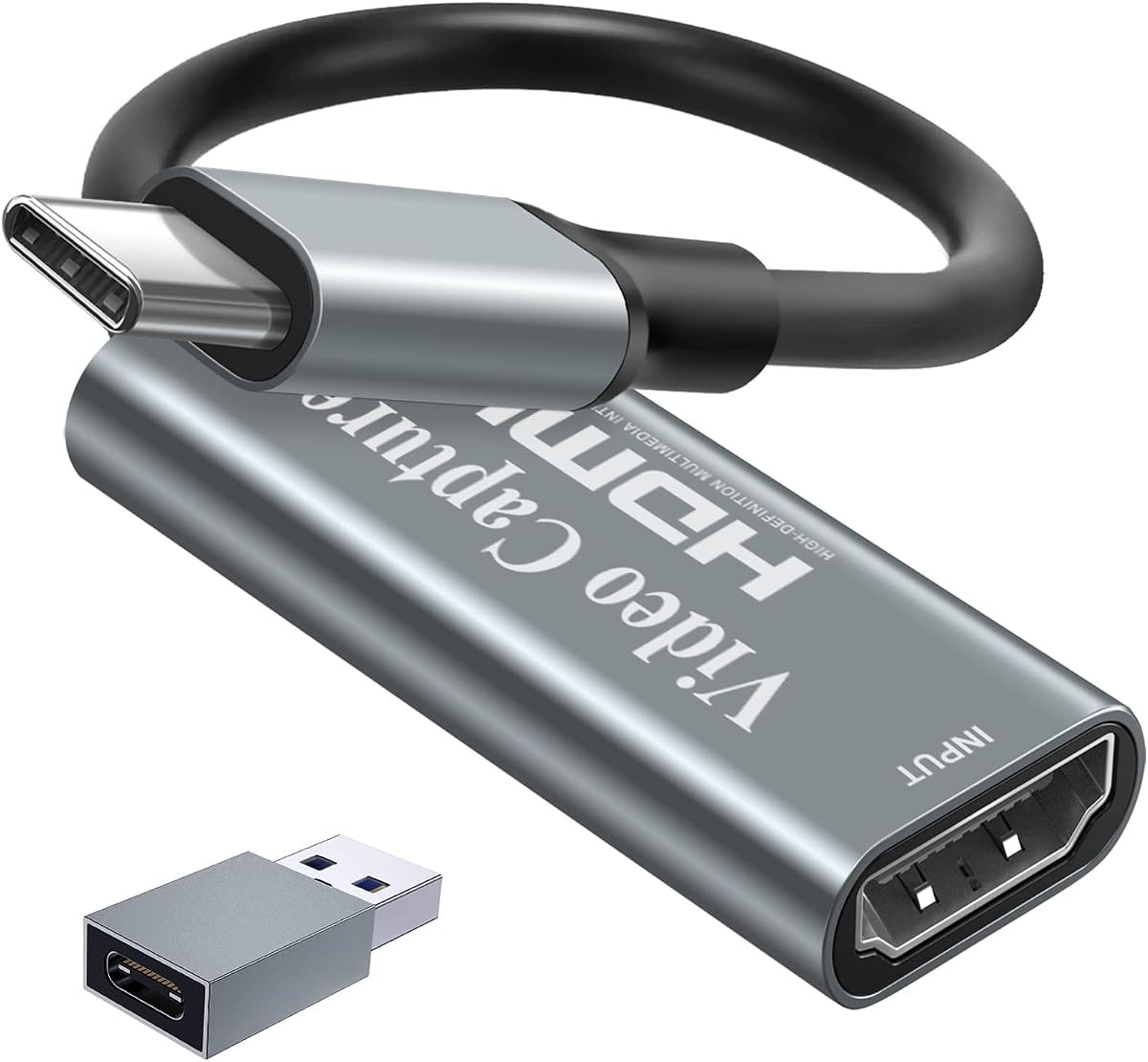
Guermok Video Capture Card
4.4Editor score
1080p 60fps output
Plug and play setup
Portable lightweight design
Discover the top capture cards for Linux systems optimized for streaming and recording with compatibility for OBS, hardware support, and performance features.
Finding a reliable capture card for Linux can be challenging due to driver support and software compatibility. This guide helps you select devices that work seamlessly with open-source tools and operating systems.
We compared ten top-rated models based on Linux compatibility, video quality, latency, and ease of setup. Each product was evaluated for its ability to handle streaming and recording tasks without extra drivers.
Each pick highlights key features and real-world performance for Linux users. Prices and availability may change over time, so check current listings before making a final purchase decision.
4.4Editor score

4.5Editor score

4.2Editor score
This side-by-side comparison highlights key specifications across all ten models to help Linux users make an informed decision based on their specific streaming or recording needs.





This acer capture card delivers solid performance for Linux users seeking reliable streaming capabilities. With a 4.4 rating from verified buyers, it stands out for its ease of use and consistent output quality across platforms.
We may earn a commission when you buy through this link, at no additional cost to you.
The card supports 4K input but outputs at 1080p 60Hz, making it ideal for capturing high-quality gaming footage without overloading system resources. Its mic-in port allows for direct commentary recording, syncing voice perfectly with video for real-time broadcasts.
While it lacks 4K recording output, the YUY2 technology ensures rich color reproduction compared to MJPEG. Some users note that USB 3.0 ports are necessary for full performance, which may require adapter use on older laptops.
It is a top choice for beginners and intermediate streamers who want dependable hardware without driver headaches. The compact design and wide app compatibility make it versatile for travel or multi-platform setups.
The device recognizes automatically on Linux systems allowing immediate use with OBS and other open-source tools without additional software installation.
Built-in low latency technology ensures voice commentary remains synchronized with gameplay, reducing post-production edits and improving viewer experience.
We may earn a commission when you buy through this link, at no additional cost to you.
UGREEN offers a cost-effective solution that does not compromise on essential streaming features for Linux environments. With a 4.4 rating, users appreciate its robust aluminum design and broad system support including Linux and Android.
We may earn a commission when you buy through this link, at no additional cost to you.
The card accepts 4K input and provides a 2K 30fps output, balancing quality and performance. Its loop-out feature enables real-time preview without latency, allowing gamers to monitor gameplay while streaming simultaneously.
Although it caps at 30fps for 2K resolution, this is sufficient for most casual streamers. The requirement to turn off HDCP on consoles may be a minor hurdle for some users but ensures compatibility across devices.
This is an excellent budget-friendly choice for Linux users wanting to upgrade their setup without overspending. Its portable size and plug-and-play functionality make it suitable for on-the-go content creation.
Supports both USB-A and USB-C connections allowing users to connect to a wide range of laptops and desktops without adapters.
Aluminum casing dissipates heat effectively ensuring stable long-term performance during extended streaming or recording sessions.
We may earn a commission when you buy through this link, at no additional cost to you.
Guermok provides a reliable capture card designed for high-quality video transfer with Linux systems. Its 4.4 rating reflects user satisfaction with its 1080p 60fps output and consistent performance across various platforms.
We may earn a commission when you buy through this link, at no additional cost to you.
The card supports up to 4K input but focuses on smooth 60fps recording which is crucial for gaming streams. Its aluminum alloy body helps manage heat during long sessions preventing thermal throttling and blue screens.
Users should note that proper software configuration is required post-setup to ensure audio works correctly. Additionally, using adapters might revert the connection to USB 2.0 speeds which impacts bandwidth and resolution.
Ideal for Linux users seeking a portable capture solution without sacrificing frame rates. Its lightweight design makes it easy to carry for live events or outdoor streaming projects.
Delivers smooth 1080p 60fps video ensuring motion clarity for fast-paced gaming and live broadcasts on Linux systems.
Aluminum construction promotes effective heat dissipation maintaining stable performance during prolonged use without overheating.
We may earn a commission when you buy through this link, at no additional cost to you.
Newhope offers a straightforward capture card that works reliably with Linux operating systems and common streaming software. With a 4.2 rating, it is appreciated for its ease of use and consistent 1080p 60fps performance.
We may earn a commission when you buy through this link, at no additional cost to you.
The 4K pass-through allows gamers to view high-quality content on their monitor while recording at 1080p. The included microphone input makes it convenient for adding commentary without external audio interfaces.
Although it does not support 4K recording, this limitation keeps the device affordable and simple for users focused on HD streaming. It requires no drivers and works out of the box on supported platforms.
This model suits Linux users who prioritize functionality and simplicity over advanced features. Its small form factor and broad compatibility make it a practical choice for casual streamers and educators.
No driver installation needed allows immediate recognition by Linux systems saving time and technical troubleshooting.
Microphone input enables direct voice recording synchronized with video reducing extra equipment needs for live streams.
We may earn a commission when you buy through this link, at no additional cost to you.
This capture card is designed for portability and quick setup making it ideal for Linux users who travel or switch devices frequently. A 4.4 rating highlights its reliability in delivering smooth 1080p 60fps streams without lag.
We may earn a commission when you buy through this link, at no additional cost to you.
It supports 4K input but focuses on output quality that balances system load and visual clarity. The low-latency design ensures real-time feedback during gaming which is critical for competitive streaming environments.
The compact design allows it to fit easily into any laptop bag making it a great tool for content creators on the move. Users appreciate the plug-and-play nature which removes the need for external power or drivers.
A solid option for Linux users needing a lightweight capture device for various scenarios. It works well with popular software like OBS and Streamlabs simplifying the streaming workflow for beginners.
Compact and lightweight form factor allows easy transport between locations for live events or multi-device setups.
Low latency ensures near real-time capture critical for interactive streaming and gaming feedback on Linux systems.
We may earn a commission when you buy through this link, at no additional cost to you.
UGREEN delivers a highly rated capture card that works smoothly with Linux operating systems and popular recording apps. With a 4.5 rating, users praise its robust build and consistent performance across different hardware configurations.
We may earn a commission when you buy through this link, at no additional cost to you.
The device supports 4K input and outputs at 2K 30fps which provides a good balance between resolution and system performance. Its high-speed USB 3.0 connection ensures fast data transfer minimizing dropouts during streaming.
Both USB-A and USB-C ports offer flexibility for modern laptops reducing the need for dongles. However, if connected via USB 2.0 performance may degrade which users should avoid for best results.
This is an ideal budget-friendly choice for Linux users prioritizing quality and ease of use. Its durable aluminum casing and plug-and-play design make it accessible for both new and experienced streamers.
5 Gbps USB 3.0 connection ensures rapid data movement reducing latency and maintaining smooth video quality.
Includes both USB-A and USB-C interfaces supporting a wide range of laptops and desktops without adapters.
We may earn a commission when you buy through this link, at no additional cost to you.
This capture card offers strong performance for Linux users needing reliable audio video synchronization without extra accessories. A 4.6 rating reflects high user satisfaction with its 1080p 60fps output and easy setup process.
We may earn a commission when you buy through this link, at no additional cost to you.
The built-in mic and headphone ports allow for direct audio monitoring and commentary making it convenient for live broadcasts. It supports a wide range of consoles and cameras ensuring versatility across different content types.
Although it does not record in 4K, the output quality is sharp and clear for most streaming needs. The included HDMI and USB cables make it ready to use immediately without additional purchases.
It is a great choice for Linux users looking for an all-in-one streaming solution. The plug-and-play nature ensures minimal setup time allowing creators to focus on content rather than configuration.
Mic and headphone ports enable direct audio input output monitoring without external mixers or interfaces.
Includes necessary cables for immediate connection to systems reducing extra accessory costs for new users.
We may earn a commission when you buy through this link, at no additional cost to you.
AVerMedia provides a premium capture solution designed for high-end streaming workflows on Linux and other platforms. With a 4.0 rating, it is recognized for its superior image quality and low latency performance during competitive gameplay.
We may earn a commission when you buy through this link, at no additional cost to you.
The card supports 4K60 HDR passthrough ensuring the monitor displays the highest quality video while recording at 1080p60. Its ultra-low latency performance allows for responsive gaming without noticeable lag or delays.
Although it comes with a higher price tag, the included Streaming Center software simplifies setup and offers professional features. Users should note it may require external power depending on the USB configuration used.
This model is ideal for serious streamers and professionals needing reliable high-resolution capture. Its robust design and advanced features justify the investment for those prioritizing quality and performance.
Included Streaming Center provides streamlined setup and advanced controls for managing broadcasts without third-party tools.
4K60 HDR passthrough preserves visual fidelity ensuring vibrant colors and sharp details on supported displays.
We may earn a commission when you buy through this link, at no additional cost to you.
Papeaso offers a budget-friendly capture card that works effectively with Linux systems and streaming software. A 4.2 rating indicates solid performance and reliability for users needing 1080p 60fps recording capabilities.
We may earn a commission when you buy through this link, at no additional cost to you.
The card accepts 4K input and outputs at 1080p 60fps ensuring smooth video for live broadcasts. Its USB-C connection simplifies setup for modern laptops providing direct connectivity without extra cables.
While it does not offer advanced features like loop-out, it covers essential streaming needs at a low cost. Some users note that additional adapters may be needed for older devices which adds minor complexity.
This is a practical choice for Linux users looking to start streaming without a large investment. Its lightweight design and ease of use make it accessible for beginners exploring content creation.
Affordable pricing provides essential streaming features without requiring a large upfront investment for new users.
USB-C connection ensures straightforward setup on modern devices reducing the need for adapters.
We may earn a commission when you buy through this link, at no additional cost to you.
AVerMedia delivers a high-end capture card designed for professional streaming workflows on Linux systems. With a 4.2 rating, it is highly regarded for its 4K60 HDR capture and advanced audio passthrough capabilities.
We may earn a commission when you buy through this link, at no additional cost to you.
The card supports variable refresh rate and HDR ensuring the best possible quality for high-end gaming setups. Its ability to capture 5.1 audio adds a layer of immersion for viewers without extra audio equipment.
While it comes at a higher price, the feature set justifies the cost for serious creators. Users must ensure their system supports USB 3.2 for optimal performance which may not be true for all laptops.
This is the top pick for Linux users needing top-tier video quality and advanced features. Its robust build and professional-grade capabilities make it a worthy investment for serious streamers.
Captures 5.1 surround sound enabling immersive audio experiences for viewers without external microphones.
Supports VRR and HDR ensuring smooth frame rates and accurate colors on compatible gaming displays.
We may earn a commission when you buy through this link, at no additional cost to you.
Selecting the right capture card for Linux requires attention to compatibility resolution and connectivity to ensure smooth streaming without technical issues.
Ensure the device supports Linux operating systems without requiring proprietary drivers. UGREEN and acer models explicitly mention Linux support which simplifies setup and reduces technical barriers for users.
Always verify the product description lists Linux as a supported OS to avoid compatibility issues during installation.
Look for cards that output at least 1080p 60fps for smooth streaming. While 4K input is beneficial, the output resolution determines what viewers see on platforms like Twitch or YouTube.
Prioritize models that support high frame rates to avoid motion blur during fast-paced gaming.
A capture card with a mic-in port allows direct voice commentary recording which is essential for live streams. Models like acer and Newhope include this feature reducing the need for external audio interfaces.
Check for 5.1 audio support if immersive sound is a priority for your broadcasts.
Low latency is critical for real-time interaction with your audience. Look for cards that promise minimal delay between gameplay and broadcast to maintain a seamless viewer experience.
Ultra-low latency features found in premium models like AVerMedia ensure near-instant response times.
Choose a card with USB 3.0 support to ensure sufficient bandwidth for high-quality video. USB-A and USB-C dual ports add flexibility for different laptop types without needing adapters.
Confirm the device has loop-out ports if you want to monitor gameplay on a separate screen while streaming.
The device should work seamlessly with popular Linux streaming apps like OBS Studio VLC or XSplit. Plug-and-play functionality ensures you can start recording immediately without complex driver installations.
Review user feedback to confirm smooth integration with your preferred streaming software.
Aluminum casings help dissipate heat during prolonged streaming sessions. This ensures stable performance and prevents overheating issues that could cause signal loss or crashes.
Look for cards with sturdy metal construction for reliable long-term use.
Balance your budget with the features you need. Budget options like Guermok offer solid 1080p 60fps performance while premium models like AVerMedia provide advanced 4K60 HDR and audio features.
Consider your specific streaming needs to avoid overspending on features you may not use.
Connect the capture card to your computer via USB 3.0 and link your gaming console or camera via HDMI. Ensure the loop-out cable is connected if you want to view gameplay on a secondary display.
Install your preferred streaming software like OBS Studio and select the capture card as your video source. Configure audio settings to ensure microphone input and system audio are balanced correctly.
Keep the device cool by avoiding direct sunlight and ensuring ventilation around the aluminum casing. Regularly check for firmware updates to maintain performance and compatibility with future Linux kernel versions.
Many capture cards are compatible with Linux systems using standard USB drivers. Brands like UGREEN and acer specifically list Linux support ensuring seamless integration without extra software.
1080p 60fps is the standard for smooth streaming on platforms like Twitch. While 4K input is available most budget cards output at 1080p for consistent performance.
Yes OBS Studio is fully compatible with most Linux-compatible capture cards. Simply select the device as your video source in the settings menu to begin streaming.
Most plug-and-play capture cards do not need external power and run via USB. However premium models like AVerMedia may require additional power for 4K60 performance.
A loop-out port allows you to view gameplay on your monitor while capturing it on your PC. This is helpful for monitoring audio and video sync during live broadcasts.
Ensure your mic and system audio are selected in streaming software settings. Some cards require restarting the software after setup to recognize audio input properly.
Budget cards typically accept 4K input but output at 1080p or 2K. This balances high-quality input with system resources suitable for most streaming platforms.
Adapters may reduce USB speed to 2.0 impacting resolution and frame rates. Always use the original USB 3.0 connection for best performance.
The acer and UGREEN models offer excellent value for Linux users seeking reliable 1080p 60fps performance. These cards provide smooth streaming without driver complications and integrate easily with open-source software.
For professionals needing 4K60 HDR and advanced audio features AVerMedia premium options deliver top-tier quality. Ensure your setup supports USB 3.2 before upgrading to these high-end devices.
Always check current availability and compatibility before purchasing to ensure the card meets your specific Linux distribution needs. Streaming technology evolves quickly so stay updated on firmware and software requirements.