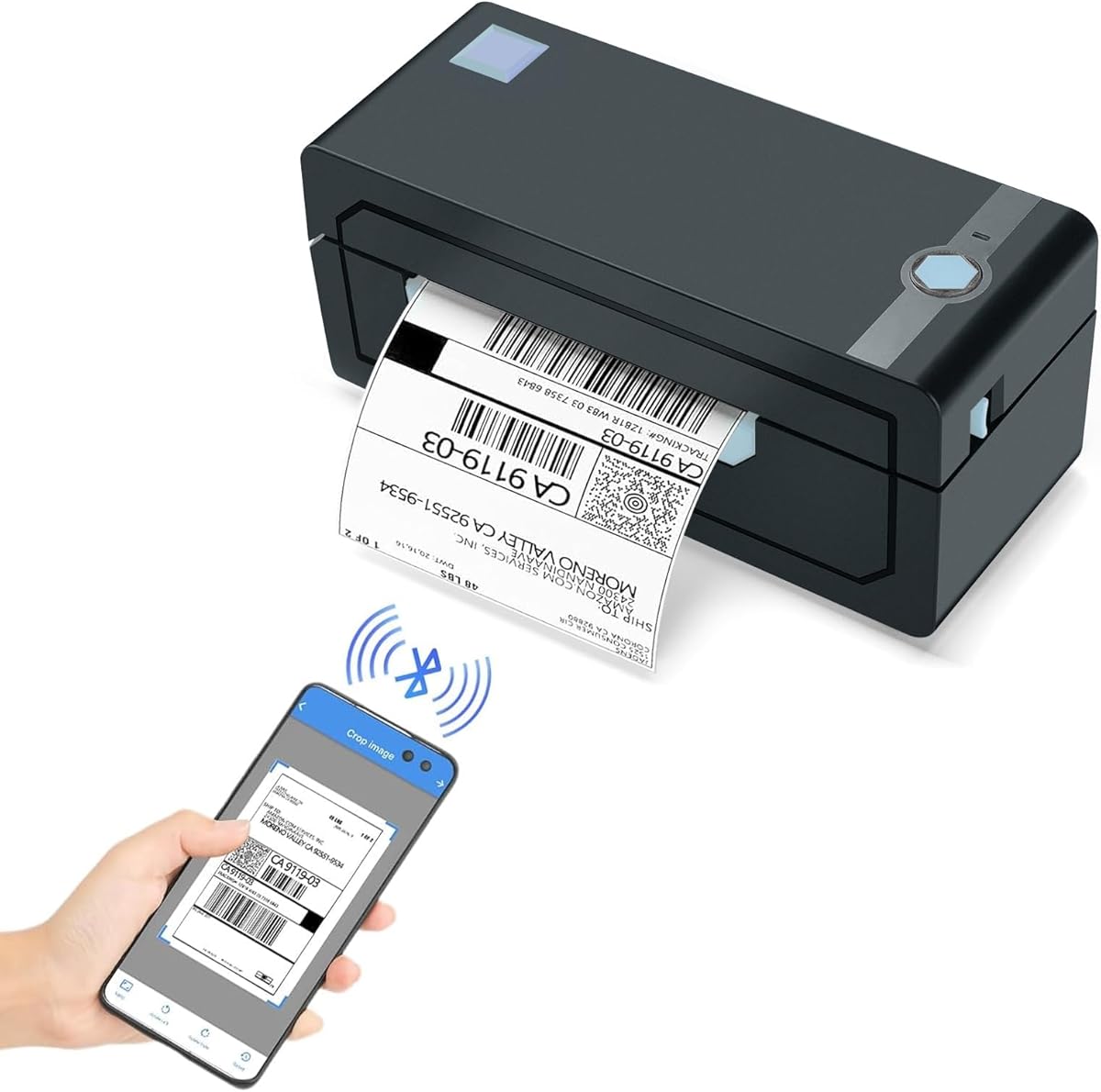
JADENS Bluetooth Thermal Shipping Label Printer
4.4Editor score
Affordable pricing
Bluetooth connectivity
Versatile label sizes
Finding a reliable label printer for Linux can be challenging since many manufacturers focus on Windows and macOS support. This guide highlights models with native drivers or open-source compatibility to ensure smooth operation on your distribution.
We evaluated ten top-rated printers based on connectivity options, print quality, software support, and community feedback. Our analysis focuses on devices that handle thermal labels effectively while maintaining stability across different Linux environments.
Each selection includes detailed specifications and user experiences to help you choose the right tool for your needs. Prices and availability may change, so always verify current details before making your final purchase decision.
4.4Editor score

4.0Editor score
4.6Editor score
As an Amazon Associate we earn from qualifying purchases.
This side-by-side comparison highlights the key specifications and capabilities of each model to help you identify the best fit for your Linux workflow and budget requirements.


The iDPRT SP310 stands out as the top choice for Linux users seeking a dedicated thermal printer. It offers native driver support ensuring seamless integration without complex workarounds or third party tools.
We may earn a commission when you buy through this link, at no additional cost to you.
Its high speed performance delivers up to eighty sheets of two by three inch labels per minute making it ideal for busy environments. The open system design allows use of various third party labels reducing ongoing costs significantly.
While the label width range is narrower than shipping focused units it excels in precision tasks. Users report accurate barcode scans and consistent alignment due to intelligent calibration sensors built into the hardware.
Businesses needing reliable inventory or address labels will find this model particularly valuable. It balances performance and cost effectively offering a professional solution tailored for Linux ecosystems.
Dedicated desktop drivers simplify installation on Linux systems removing common compatibility hurdles.
The unlocked open system bypasses proprietary chips allowing cheaper third party labels.
We may earn a commission when you buy through this link, at no additional cost to you.
JADENS offers a cost effective entry point for small businesses needing shipping labels. While Bluetooth is highlighted for Windows and Mac it connects via USB to Linux systems for reliable performance.
We may earn a commission when you buy through this link, at no additional cost to you.
Users appreciate the straightforward setup and support for common shipping platforms like Shopify and eBay. The printer handles fanfold and roll labels efficiently maintaining clear output at twenty zero three DPI resolution.
The lack of native Bluetooth printing on Linux means USB remains the primary connection method. However this ensures stable data transfer without wireless interruptions during critical shipping tasks.
For budget conscious users prioritizing basic functionality this model delivers consistent results. It covers essential needs without unnecessary complexity making it a solid starter choice.
Works seamlessly with major marketplaces ensuring smooth label generation and printing.
USB provides stability on Linux while Bluetooth serves other supported devices.
We may earn a commission when you buy through this link, at no additional cost to you.
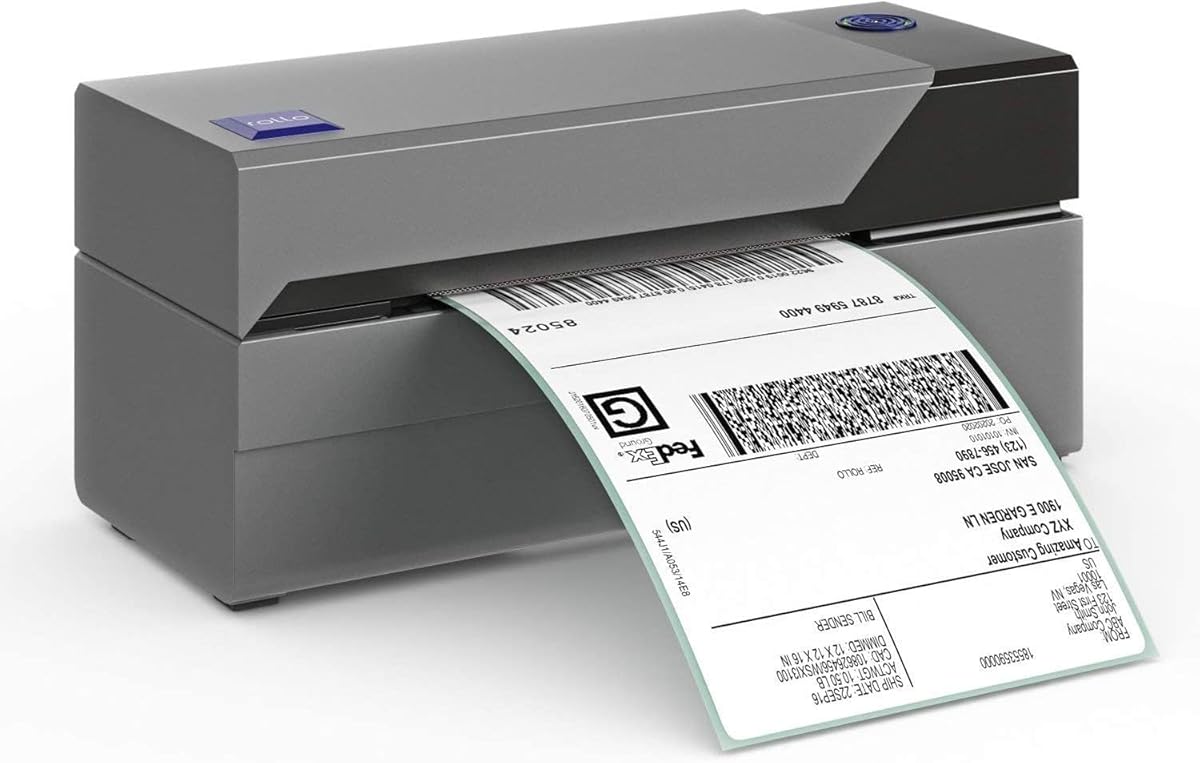
The Rollo printer is a robust choice for high volume environments needing speed and durability. It connects via USB to Linux systems and maintains consistent performance under heavy workloads.
We may earn a commission when you buy through this link, at no additional cost to you.
Its one hundred fifty millimeter per second print speed ensures quick label turnaround which is critical during peak shipping periods. The thermal technology produces clear scannable labels without ink or toner needs.
While it lacks Bluetooth functionality the wired connection guarantees reliability. Users benefit from broad compatibility with shipping software ensuring seamless workflow integration across multiple channels.
Businesses seeking a long term investment will find the Rollo delivers on reliability. Its commercial grade design supports continuous operation making it a top tier option.
High speed printing reduces wait times and boosts overall shipping efficiency.
Commercial grade components ensure longevity even with daily use.
We may earn a commission when you buy through this link, at no additional cost to you.
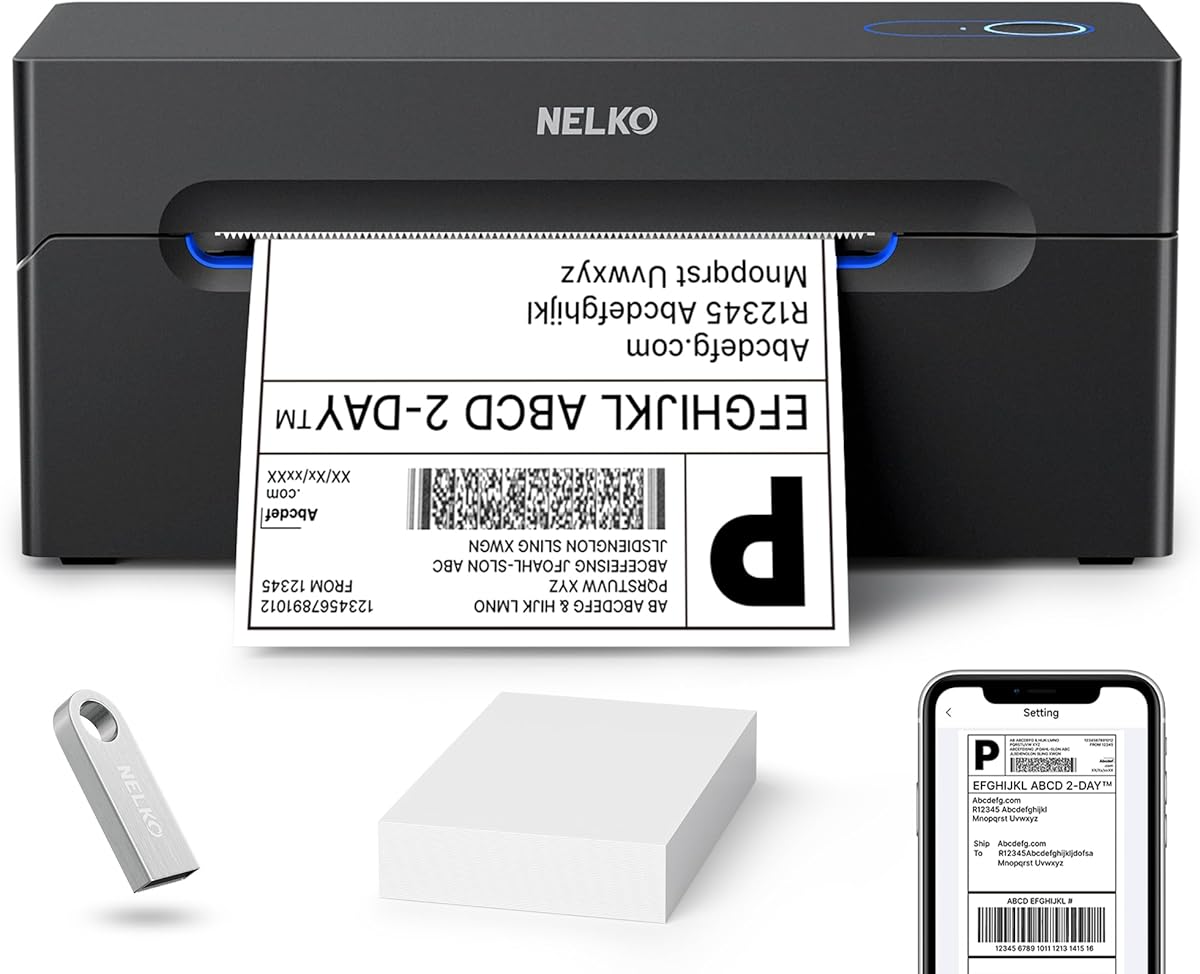
Nelko provides a compact solution ideal for limited desk spaces. Linux users connect via USB to ensure stable printing while Bluetooth supports other devices through the dedicated app.
We may earn a commission when you buy through this link, at no additional cost to you.
The printer supports multiple label formats including shipping and price tags. High speed output up to seventy two sheets per minute keeps operations moving smoothly without bottlenecks.
Setup involves downloading drivers and following video guides provided on the included disk. This approach simplifies initial configuration for users across different operating systems.
It is well suited for small businesses needing versatility at an affordable price. The balance of size and functionality makes it a practical addition to any workspace.
Small footprint allows placement in tight spaces without sacrificing performance.
Supports various label widths for diverse labeling needs.
We may earn a commission when you buy through this link, at no additional cost to you.
This Brother model offers portability for home and office organization tasks. Bluetooth connectivity allows design from mobile devices though Linux users rely on USB for direct printing.
We may earn a commission when you buy through this link, at no additional cost to you.
The included software provides creative templates for custom labels. Users can personalize fonts and symbols making it ideal for labels storage bins or file folders.
TZe tapes provide durable and professional looking results. While the cost per label is higher than thermal rolls the quality suits personal and light business use.
For those needing versatile label creation beyond shipping this device excels. It brings convenience and design flexibility to everyday organizational needs.
Wide range of templates allows unique labels for any context.
Lightweight design and battery support make it easy to move.
We may earn a commission when you buy through this link, at no additional cost to you.
The QL-700 delivers high speed professional labeling for office and retail use. Linux compatibility is available through standard drivers enabling consistent printing from workstations.
We may earn a commission when you buy through this link, at no additional cost to you.
Its ability to print labels up to three feet long supports banner and signage needs. The drop in roll system and auto cutter enhance workflow efficiency significantly.
Users benefit from pre-sized labels that peel easily for quick application. This reduces waste and time during labeling tasks improving overall productivity.
Ideal for businesses needing quick turnaround on diverse label types. The combination of speed and reliability makes it a strong choice.
Printing up to ninety three labels per minute maximizes workflow speed.
Supports continuous length paper for custom long labels and banners.
We may earn a commission when you buy through this link, at no additional cost to you.
The QL-570 is a trusted workhorse for professional labeling tasks. It connects via USB to Linux systems and delivers sharp text and imagery with its high DPI print head.
We may earn a commission when you buy through this link, at no additional cost to you.
Included software allows custom label design for inventory and asset tracking. The two year warranty provides confidence in long term reliability for business environments.
While slower than some newer units it maintains consistent quality over time. Users appreciate the durability and straightforward operation without complex setup.
It serves well for offices needing reliable identification labels. The balance of performance and support makes it a dependable option.
High DPI ensures crisp text and clear barcodes for accurate scanning.
Proven design supports continuous use with minimal downtime.
We may earn a commission when you buy through this link, at no additional cost to you.
SUPVAN offers an accessible tool for home and small business organization. Bluetooth enables mobile design while Linux users can connect via USB for stability.
We may earn a commission when you buy through this link, at no additional cost to you.
The free app includes extensive design tools allowing customization with fonts and icons. It simplifies creating labels for various storage containers and file systems.
Users save time and money with the versatile label compatibility. Multiple shapes ensure a perfect fit for almost any project or surface.
This model excels for personal organization projects on a budget. Its ease of use and design flexibility are key strengths.
No subscription fees or registration required for design app.
Extensive icons and frames allow creative and functional labels.
We may earn a commission when you buy through this link, at no additional cost to you.
ETIKEZ provides a compact solution for small spaces needing quick label prints. Linux systems use USB for reliable data transfer ensuring consistent output without dropouts.
We may earn a commission when you buy through this link, at no additional cost to you.
The Labelnize app simplifies mobile printing for Android and iOS users. This workflow allows easy label creation from smartphones while keeping desktop printing simple.
Its twenty zero three DPI resolution produces clear barcodes and shipping information. The lightweight design fits easily on crowded desks or shelves.
For home businesses needing basic functionality this printer delivers value. It covers essential shipping tasks without unnecessary complexity.
Compact design fits easily into small home office environments.
USB ensures stable desktop printing while app handles mobile tasks.
We may earn a commission when you buy through this link, at no additional cost to you.
This Brother model combines desktop and mobile connectivity for flexible business use. Linux users connect via USB while Bluetooth supports mobile design across devices.
We may earn a commission when you buy through this link, at no additional cost to you.
The physical keyboard and large LCD allow standalone operation without a computer. This feature streamlines labeling tasks directly on the device for quick access.
Stored memory enables quick reprinting of frequent labels saving time daily. The template library provides professional designs for assets and inventory.
It is ideal for business environments needing on the go labeling. The balance of features ensures efficient workflow management.
Physical controls and display allow independent use without PC.
Stored labels and templates speed up repeat labeling tasks.
We may earn a commission when you buy through this link, at no additional cost to you.
Selecting a label printer for Linux involves evaluating drivers, connectivity, label type, and use case to ensure seamless integration with your operating system.
Verify that the manufacturer provides native Linux drivers or open source support like CUPS. Without proper drivers printing may require complex configuration or workarounds.
Choose models explicitly supporting Linux distributions to avoid installation headaches and ensure stable performance.
USB provides the most reliable connection for Linux systems ensuring stable data transfer without wireless dropouts. Bluetooth is convenient but often limited on Linux without specific applications.
Prioritize USB for critical shipping tasks while Bluetooth serves well for mobile design and secondary devices.
Determine the maximum label width you need. Shipping labels typically require four inch widths while organization tags may only need one inch.
Ensure the printer supports your standard label size to avoid compatibility issues and wasted materials.
High speed printers increase throughput during peak shipping seasons. Look for speeds above one hundred millimeters per second for busy environments.
Faster printing reduces wait times and keeps your workflow efficient.
A resolution of 203 DPI is standard for shipping labels and barcodes. Higher DPI ensures clear and scannable labels.
Choose higher resolution for detailed labels or logos to maintain professional standards.
Open systems allow you to use third party labels saving significant money over time. Proprietary systems often require expensive branded labels.
Prefer open systems to reduce ongoing operating costs.
Software design capabilities allow custom layouts and bulk imports. Ensure the provided software supports your workflow requirements.
Look for templates and automation tools to streamline label creation.
Commercial grade units offer durability for continuous use. Check warranty terms to ensure support for potential issues.
A strong warranty protects your investment and reduces long term risks.
Start by installing the correct drivers for your Linux distribution. Follow manufacturer instructions carefully to ensure proper configuration and system recognition.
Regularly clean the print head with approved solutions to prevent smudges. Use a soft cloth and follow the manual to avoid damaging sensitive components.
Store labels in a cool dry place to preserve adhesive quality. Proper storage prevents curling or peeling during use extending label lifespan.
Yes, some manufacturers provide native Linux drivers or support open source CUPS. Models like the iDPRT SP310 are designed with native support ensuring seamless integration without workarounds.
Bluetooth support on Linux varies by manufacturer. Some printers offer Bluetooth only through mobile apps while others provide limited support. USB is generally more reliable for Linux desktop systems.
Thermal label printers do not require ink or toner. They use direct thermal technology or thermal transfer to print on special labels, which reduces ongoing consumable costs.
Standard shipping labels typically require four by six inch width. Ensure your printer supports this size to avoid compatibility issues with major courier platforms.
Download drivers from the manufacturer website and use terminal commands or graphical installers provided. Most modern systems detect the printer automatically once drivers are installed.
Open system printers allow third party labels reducing costs. Proprietary models require branded labels to avoid errors. Choose open systems for better long term savings.
We identified the iDPRT SP310, JADENS Bluetooth, and Rollo USB as top choices based on compatibility and performance. Each model serves different budget and speed needs effectively.
Prioritize native driver support and USB connectivity for seamless Linux operation. These factors ensure your printer works reliably without complex configuration or interruptions.
Verify current pricing and availability before purchasing since details can change. Select a model that aligns with your specific label size and workflow requirements.