
DY-50 Intraoral Camera Dental Camera
4.5Editor score
Crystal Clear Pictures
Button Driver Included
Anti Fog Lens Design
Discover the top camera for dental photography options evaluated for image clarity, software integration, and clinical workflow efficiency to help professionals
Selecting the right camera for dental photography is essential for capturing precise images that support diagnosis and patient communication. High-quality visuals help dentists document treatments effectively while ensuring patients understand their oral health needs clearly.
We compared ten leading models based on image resolution, ease of use, software compatibility, and ergonomic design. Our analysis focuses on intraoral cameras and versatile DSLR options suitable for clinical environments and detailed oral imaging tasks.
Each selection highlights specific strengths like button operation, lens quality, or integration capabilities. Please note that availability and pricing may fluctuate over time, so verify current details before making a final purchasing decision for your practice.
4.5Editor score
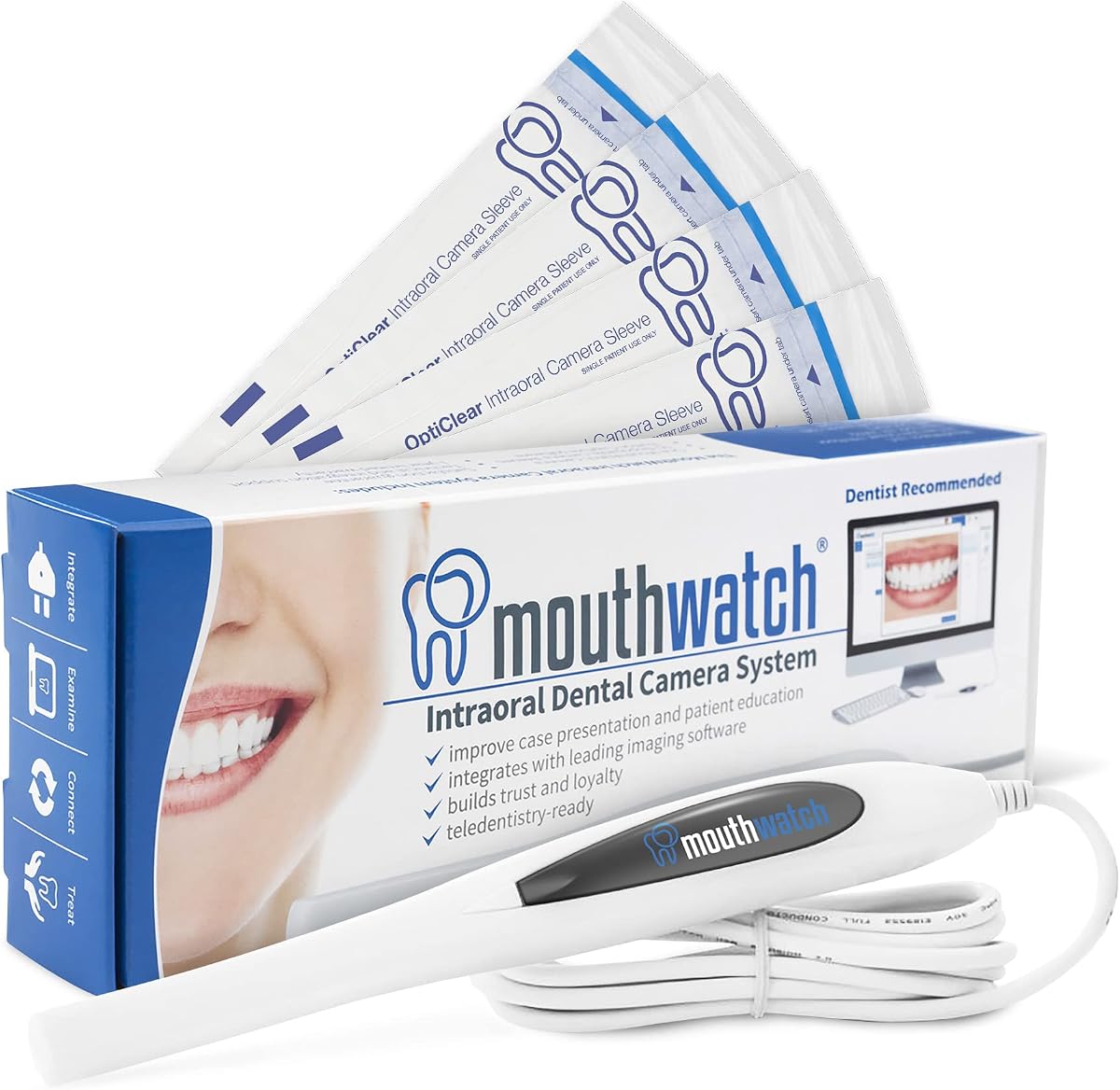
4.4Editor score

4.0Editor score
This side-by-side comparison highlights the key specifications and capabilities of each selected camera to help you evaluate which model fits your clinical workflow and imaging requirements most effectively.


This intraoral camera stands out for delivering crystal clear images without lag, making it ideal for professional dental imaging. With a rating of 4.4, it balances performance and ease of use effectively for clinical environments.
We may earn a commission when you buy through this link, at no additional cost to you.
Its 4mm-45mm fixed focal distance eliminates manual focusing, ensuring sharp images every time. The single-button capture saves time during patient interactions, and it integrates seamlessly with over 50 dental imaging suites.
While the fixed focal distance limits flexibility for extreme close-ups, the ergonomic design makes handling effortless. The included software supports major platforms like Eaglesoft and Dexis, reducing setup friction.
Dental professionals seeking reliable documentation should consider this model. It delivers clear visuals that help patients understand treatment needs, ultimately improving case acceptance through accurate imaging.
Seamless connectivity with major imaging suites reduces manual data entry and speeds up patient documentation significantly.
Weighing only 31 grams, the lightweight handset minimizes hand fatigue during extended clinical sessions.
We may earn a commission when you buy through this link, at no additional cost to you.
The Canon EOS Rebel T7 offers exceptional image quality for dental photography when paired with appropriate macro lenses. Its 24.1 MP sensor captures fine details essential for accurate oral health documentation.
We may earn a commission when you buy through this link, at no additional cost to you.
Built-in Wi-Fi and NFC allow easy transfer of images to tablets or computers for immediate patient consultation. The optical viewfinder provides accurate framing, which is critical for consistent dental photography.
While not an intraoral device, this DSLR works well for external oral imaging. The 18-55mm lens is versatile, though additional macro lenses may be needed for intraoral specifics.
Practices needing high-quality external documentation may find this camera valuable. It balances performance and usability, providing professional-grade results with minimal setup complexity.
The 24.1 MP sensor ensures sharp, detailed images that reveal subtle dental features effectively.
Built-in Wi-Fi enables quick image sharing for seamless patient communication during appointments.
We may earn a commission when you buy through this link, at no additional cost to you.
This bundle provides everything needed to start professional dental photography with a DSLR. The included memory card and accessories streamline setup, allowing immediate focus on capturing quality images.
We may earn a commission when you buy through this link, at no additional cost to you.
The 24.1MP sensor paired with DIGIC 4+ processor ensures vibrant colors and sharp details. Wireless features allow easy sharing of treatment progress photos with patients directly.
Though heavier than specialized intraoral tools, this camera suits clinics needing versatility. It handles various lighting conditions well, though dedicated dental lighting improves consistency.
For clinics expanding imaging capabilities, this bundle offers excellent value. It delivers reliable performance and ease of use for both beginners and experienced photographers.
Included accessories like memory card and bag simplify initial setup and storage management.
Simplified menus and optical viewfinder make learning the system straightforward for staff.
We may earn a commission when you buy through this link, at no additional cost to you.
The Canon EOS R50 brings advanced autofocus and speed to dental photography workflows. Its 24.2 MP sensor and DIGIC X processor deliver stunning clarity suitable for detailed oral documentation.
We may earn a commission when you buy through this link, at no additional cost to you.
With 15 fps electronic shutter and deep learning AF, capturing moving subjects becomes effortless. The vari-angle touchscreen aids composition in constrained spaces typical of clinical settings.
While optimized for general photography, it can serve external dental imaging needs. The 4K video feature allows recording patient education videos alongside still images.
Practices seeking a versatile imaging tool may appreciate its capabilities. It combines speed, precision, and modern features in a compact body.
Dual Pixel CMOS AF II covers full frame area ensuring sharp focus every time.
4K video support enables creating dynamic patient education content easily.
We may earn a commission when you buy through this link, at no additional cost to you.
The Sony ZV-1 combines portability with strong image quality, making it adaptable for various photography needs. Its 1-inch sensor and fast lens capture vibrant, professional-grade results even in low light.
We may earn a commission when you buy through this link, at no additional cost to you.
Features like product showcase mode and background defocus simplify control, which can help isolate teeth during external shots. The vari-angle screen aids framing from difficult angles.
While not an intraoral tool, its compact size allows flexible positioning. The included accessories like flexible tripod support steady imaging during procedures.
Clinics needing a compact, high-quality camera for external documentation might find this useful. It delivers impressive results with intuitive controls.
Weighing under 300 grams, it is easy to handle and store in clinical spaces.
Built-in mic system captures clear audio for educational videos or consultations.
We may earn a commission when you buy through this link, at no additional cost to you.
This entry-level camera offers high resolution capabilities at an accessible price point. The 88MP sensor and 8K video support capture detailed images suitable for various documentation tasks.
We may earn a commission when you buy through this link, at no additional cost to you.
Features like 6-axis stabilization and dual lenses provide flexibility in framing shots. The touchscreen interface simplifies navigation, making it user-friendly for less experienced users.
While designed for general photography, its portability and zoom capabilities can serve basic dental needs. However, lack of dental-specific software limits clinical workflow integration.
Practices on a tight budget may find this a viable starting point. It delivers decent image quality but lacks specialized dental features.
The 88MP sensor captures fine details that can support clear documentation.
Built-in stabilization helps reduce blur during handheld shooting scenarios.
We may earn a commission when you buy through this link, at no additional cost to you.
The DY-50 intraoral camera offers an affordable entry into digital dental imaging. With a 4.5 rating, it delivers crystal clear images and includes drivers for seamless software integration.
We may earn a commission when you buy through this link, at no additional cost to you.
Its anti-fog lens and non-spherical design ensure consistent clarity during procedures. The capture button works directly with popular dental imaging suites, reducing setup time.
While resolution is lower than premium models, it meets basic documentation needs effectively. The lightweight handset ensures comfort during extended use.
Clinics seeking cost-effective imaging solutions should consider this option. It provides reliable performance and essential features for everyday dental photography.
Includes drivers for major imaging suites ensuring seamless workflow integration.
Non-spherical lens prevents fogging for consistent image clarity during exams.
We may earn a commission when you buy through this link, at no additional cost to you.
This DARYOU model adds zoom capabilities to a standard intraoral setup. With 720P HD and 4X digital zoom, it offers flexibility in framing dental details during exams.
We may earn a commission when you buy through this link, at no additional cost to you.
The capture button driver ensures compatibility with major imaging suites without foot pedals. This simplifies operation and keeps workflow efficient during patient consultations.
While digital zoom can reduce sharpness, it aids in capturing specific areas without physical repositioning. The camera integrates easily with existing dental software.
Practices needing basic zoom features without complex setups may appreciate this model. It balances simplicity with useful functionality.
4X digital zoom allows closer views without needing physical camera adjustments.
Capture button driver enables seamless integration with existing software suites.
We may earn a commission when you buy through this link, at no additional cost to you.
This premium system combines imaging with a 17-inch touchscreen computer for streamlined workflows. HD visuals and QR photo transfer support modern clinical documentation and patient communication needs.
We may earn a commission when you buy through this link, at no additional cost to you.
The slim 5mm camera design ensures comfortable access during exams. Plug-and-play setup minimizes technical barriers, allowing staff to focus on patient care.
While requiring more space, the all-in-one nature simplifies data management. It offers a sophisticated approach to dental photography with integrated display capabilities.
Larger clinics seeking integrated imaging and display solutions will benefit most. It balances advanced features with user-friendly operation.
17-inch touchscreen allows instant image review and comparison during appointments.
WiFi QR code functionality enables quick photo sharing without cables.
We may earn a commission when you buy through this link, at no additional cost to you.
This aid enhances any smartphone or camera setup for dental photography. Adjustable LED lighting ensures proper illumination to highlight oral details effectively during exams.
We may earn a commission when you buy through this link, at no additional cost to you.
The flexible bracket allows omni directional shooting to capture various angles. It works with most phones, making it versatile for practices with existing mobile imaging tools.
While not a camera itself, it significantly improves image quality by addressing lighting limitations. Its portability supports use in multiple clinical settings.
For practices using mobile devices, this accessory offers practical value. It ensures consistent lighting for professional-looking documentation.
Adjustable brightness ensures optimal illumination for capturing fine oral details.
Flexible bracket accommodates various phone models and camera devices easily.
We may earn a commission when you buy through this link, at no additional cost to you.
Choosing the right camera for dental photography involves evaluating several critical factors that impact image quality, workflow efficiency, and clinical utility.
High resolution is vital for capturing fine dental details that support accurate diagnosis and treatment planning. Look for cameras with sensors capable of sharp, well-illuminated images without lag.
Prioritize models offering clear visuals to ensure patients can see treatment needs clearly.
Seamless connectivity with existing dental imaging suites reduces manual data entry and speeds up documentation. Check compatibility with platforms like Eaglesoft, Dexis, or your current EMR system.
Ensure the camera offers drivers or proprietary software that integrates easily with your clinic.
Efficient clinical workflows require intuitive operation. Features like single-button capture and ergonomic designs minimize setup time and hand fatigue during patient interactions.
Choose systems that reduce clicks and steps to capture images efficiently.
Proper illumination is critical for accurate color representation and detail visibility in the oral cavity. Consider cameras with built-in lighting or accessories that provide adjustable, even light.
Consistent lighting improves image quality and diagnostic reliability significantly.
Lightweight and ergonomic handsets enhance comfort during extended use and allow flexible positioning inside the mouth. A smaller, lighter camera reduces strain on dental professionals.
Opt for designs that fit comfortably in hand for precise control.
Wireless features like Wi-Fi and Bluetooth enable quick transfer of images to tablets or computers for immediate patient consultation. This supports modern digital workflows and remote sharing.
Look for connectivity that matches your clinic's data management needs.
Reliable equipment must withstand daily clinical use. Check for anti-fog lenses, durable builds, and responsive customer support to minimize downtime.
Select brands that offer lifetime support or warranties for long-term peace of mind.
Start by installing the camera's proprietary capture software and any necessary drivers on your clinic's computer. Ensure the imaging suite is updated and configured to recognize the device before beginning patient sessions.
During use, maintain proper hygiene by using protective sheaths and sterilizing components between patients. Position the camera carefully to capture clear views, using lighting aids as needed for optimal clarity.
Regularly clean lenses and check connectivity cables to prevent image quality issues. Back up images to your preferred storage system to secure patient records and maintain compliance.
Intraoral cameras are typically best due to their specialized design for oral cavity imaging. They offer ergonomic handling and software integration tailored to dental workflows.
Most reputable dental cameras support major imaging suites. Check the manufacturer's compatibility list to ensure seamless integration with your existing EMR system.
High resolution is essential for capturing fine details needed for accurate diagnosis. Look for sensors providing sharp, clear images without pixelation.
DSLRs can work for external oral photography but require macro lenses. Specialized intraoral cameras offer better ergonomics and workflow integration.
Clean lenses regularly, use protective sheaths between patients, and update software. Check cables and storage to ensure consistent performance.
Wireless features enable quick image transfer for patient communication. They support modern workflows but ensure security compliance with patient data.
We reviewed ten cameras ranging from dedicated intraoral models to versatile DSLRs. Each option offers unique strengths depending on your clinic's imaging and documentation needs.
Prioritize software integration and image clarity to ensure efficient workflows and diagnostic accuracy. Ergonomic design also plays a significant role in daily usability.
Prices and availability change frequently, so verify current details before purchasing. Select the camera that aligns best with your practice's clinical workflow and patient communication goals.